Understanding Neurodiversity in Children: Embracing Diverse Minds
Did you know that an estimated 15-20% of the global population exhibits traits associated with neurodivergence?
This significant portion of our community, including children, possesses unique ways of thinking, learning, and interacting with the world.
Neurodiversity in kids isn't a new concept, but its recognition and understanding are rapidly evolving, shifting from a deficit-based model to one that celebrates the inherent strengths and variations in human neurology.
Understanding Neurodiversity in Children: Embracing Diverse Minds Without Limiting Potential
Every child learns, moves, communicates, and connects with the world in their own way. Some children are wired for movement, others for deep focus. Some thrive in busy environments, while others need quiet and predictability. This natural variation in how brains work is known as neurodiversity — and it’s not something to be “fixed.”
At B Well Tots, we believe neurodiversity is not a problem to solve, but a difference to understand.
Still, when a child struggles with attention, emotional regulation, communication, sleep, or learning, families often find themselves asking important questions:
Is this typical? Should I be concerned? Do we need an evaluation?
These questions are valid — and the answers don’t have to feel scary or limiting.
What is Neurodiversity?
Neurodiversity refers to the idea that neurological differences — such as autism, ADHD, sensory processing differences, learning differences, and more — are natural variations of the human brain.
Rather than viewing these differences through a deficit-based lens, a neurodiversity-affirming approach recognizes that:
• There is no single “right” way for a brain to function
• Differences often come with unique strengths, creativity, and perspectives
• Challenges are often shaped by environment, expectations, and support, not by the child alone
Neurodivergent children are not broken. They are communicating something about how their brain and body experience the world.
The Neurodiversity Movement
The neurodiversity movement, which gained momentum in the late 1990s, advocates for the rights and inclusion of neurodivergent people.
It emphasizes that societal structures, educational systems, and workplaces are often designed for neurotypical individuals, creating barriers for those who think and process information differently. The goal is to create a society that accommodates and values these differences, rather than expecting individuals to conform to a single, neurotypical norm.
Neurotypical vs. Neurodivergent
Neurotypical refers to individuals whose brain functions, behaviors, and thinking patterns fall within the societal norms. Neurodivergent, on the other hand, describes individuals whose brain functions differ significantly from what is considered typical.
It's crucial to understand that being neurodivergent does not mean being less intelligent or capable; it simply means having a different neurological makeup.
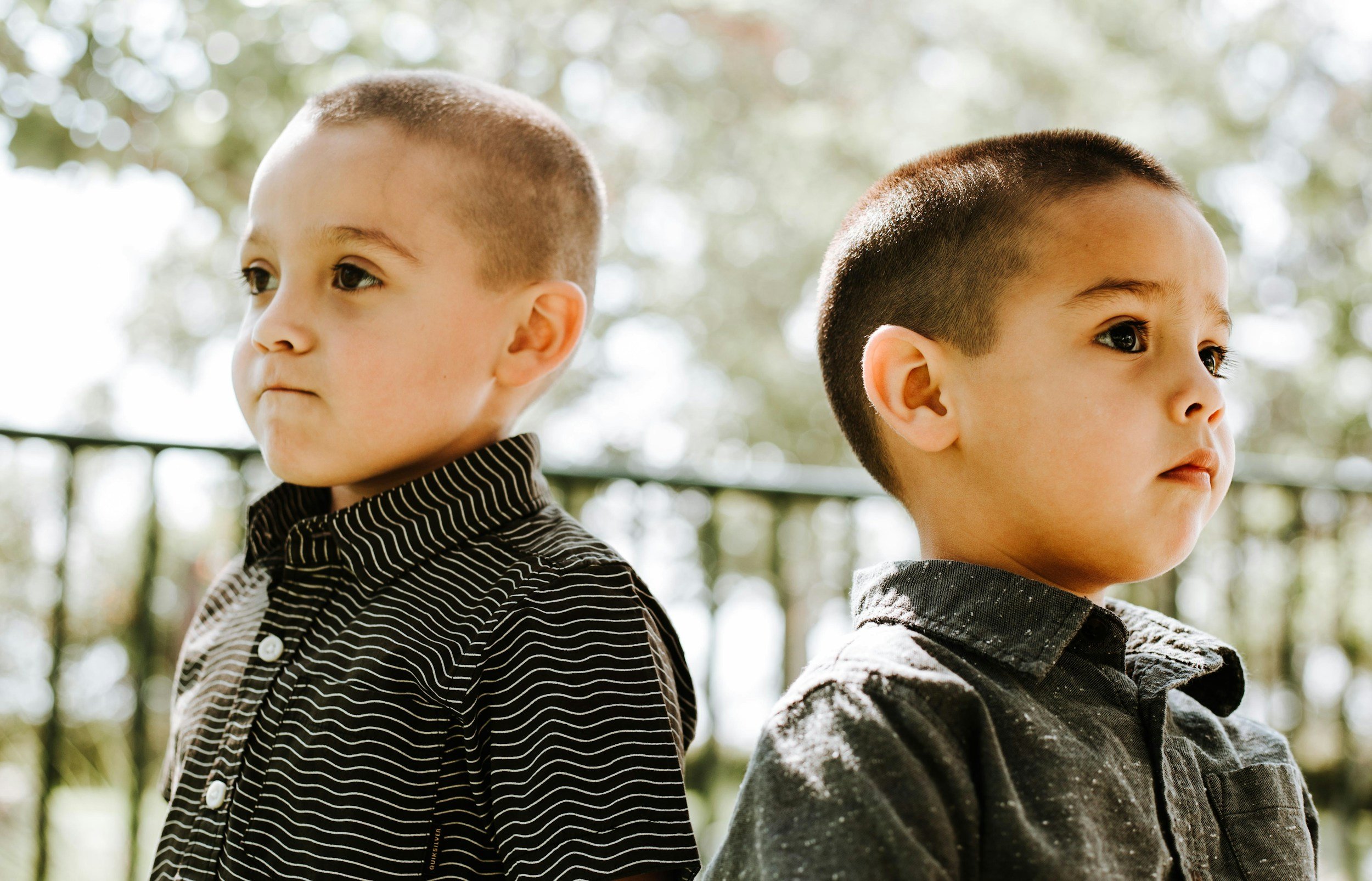
Common Neurodevelopmental Differences in Children
Neurodiversity includes a wide range of developmental differences that shape how children learn, move, communicate, and interact with the world.
Some of the more commonly recognized neurodevelopmental differences in children include:
Autism Spectrum Disorder (ASD)
Attention-Deficit/Hyperactivity Disorder (ADHD)
Dyslexia
Dyspraxia (Developmental Coordination Disorder)
Tourette Syndrome
Each child’s experience is unique, and these differences can present in many ways.
Understanding and recognizing neurodevelopmental diversity helps caregivers and providers offer more individualized, supportive care.
Diagnosis Isn’t a Limitation — It’s a Lens
One of the biggest fears families have around diagnosis is that it will limit their child’s future.
But a diagnosis is not an excuse, a label that defines a child, or a ceiling on potential. Instead, it can be a lens — a way to better understand how a child learns, processes information, and connects their brain and body.
When we shift our perspective, diagnosis becomes:
• An explanation, not an identity
• A starting point for individualized support
• A framework for understanding why certain tasks feel harder — and how to support them differently
A diagnosis doesn’t change who your child is. It helps adults change how they respond, teach, and support them.
Most importantly, it invites us to dig deeper — not to “fix” a child, but to ask:
What does this child’s nervous system need to feel safe, regulated, and ready to learn?
Benefits of Neurodiversity in Children
Embracing neurodiversity supports not only neurodivergent children, but also their families, peers, and communities.
Valuing different ways of thinking and experiencing the world creates stronger, more inclusive environments for everyone.
Creativity & Innovation – Unique thinking styles often lead to imaginative ideas and fresh problem-solving approaches.
Diverse Perspectives – Different ways of learning and thinking enrich collaboration, understanding, and growth.
Empathy & Inclusion – Exposure to neurodiversity fosters compassion, acceptance, and stronger social connections.
Strength-Based Growth – Focusing on strengths builds confidence, motivation, and self-worth.
Resilience & Adaptability – Navigating challenges helps develop perseverance, flexibility, and self-advocacy skills.
Looking Beneath the Surface: The Brain–Body Connection
Behavior is communication. When a child struggles, it’s often a sign of a brain–body disconnect, not a lack of effort or motivation.
Challenges with attention, regulation, learning, or behavior can sometimes be influenced by factors such as:
• Sleep quality
• Nutritional or mineral imbalances
• Sensory processing differences
• Stress on the nervous system
• Underlying medical or neurological factors
This is why a whole-child approach matters. Supporting neurodivergent children often means looking beyond behavior alone and considering how the body, brain, and environment interact.
Supporting Neurodivergent Children
Evaluations & Tests to Consider When Exploring a Diagnosis
If you’re considering a neurodevelopmental evaluation, it’s helpful to know that assessment doesn’t have to be one-dimensional. Depending on your child’s needs, a care team may explore several layers of information.
Developmental & Behavioral Assessments
These evaluations look at how a child communicates, plays, learns, and regulates emotions. They may include standardized observations and caregiver questionnaires to understand patterns over time.
These tools help answer:
• How does this child process information?
• What environments support or challenge them?
• Where do strengths and needs coexist?
Medical & Laboratory Testing
While there is no blood test that diagnoses autism or ADHD, medical labs can help identify co-occurring factors that may impact learning and behavior, such as:
• Iron levels and anemia
• Thyroid or metabolic function
• Lead exposure
• General health markers
These tests help rule out physical contributors that can affect attention, mood, sleep, or energy levels.
Sleep Evaluations
Sleep is foundational to nervous system regulation. If a child struggles with falling asleep, staying asleep, or appears chronically tired, a sleep study or sleep assessment may offer valuable insight.
Poor sleep can significantly affect:
• Emotional regulation
• Attention and focus
• Learning and memory
• Behavior during the day
Neurological Evaluations
In some cases, neurological testing such as an EEG or imaging may be recommended — particularly if there are concerns about seizures, regression, or unusual neurological patterns. These are not routine for every child, but can be helpful when clinically indicated.
Functional & Nutritional Assessments
Some families also explore:
• Mineral or nutrient levels
• Digestive or gut health
• Food sensitivities
These assessments can be especially relevant when children experience feeding challenges, sensory sensitivities, fatigue, or frequent illness.
Screeners as a Starting Point (Not a Diagnosis)
Parent questionnaires and screeners can be helpful tools for organizing observations and guiding conversations with professionals. While not diagnostic, they can help families articulate concerns and notice patterns over time.
Think of screeners as flashlights, not answers — tools that help you see where support may be needed.
Supporting Neurodivergent Children Beyond the Diagnosis
Whether a child has a diagnosis or not, support should always focus on:
• Strengths and interests
• Nervous system regulation
• Meaningful connection and safety
• Developmentally appropriate expectations
At B Well Tots, we believe children thrive when therapy and support are relationship-based, brain-informed, and body-aware. Progress doesn’t come from forcing children to fit a mold — it comes from meeting them where they are.
Final Thoughts
A diagnosis does not define a child’s future. It doesn’t limit intelligence, joy, creativity, or success.
Instead, when used thoughtfully, it becomes:
• A language for understanding
• A pathway to support
• An invitation to see a child more clearly
Every child deserves to be understood — not corrected.
If you have questions about neurodiversity, evaluations, or how to support your child’s unique development, our team at B Well Tots is here to help.
-
The main principle of neurodiversity is that neurological differences, such as autism or ADHD, are natural variations in the human genome and should be respected as such, rather than viewed solely as deficits.
-
Support involves understanding their specific needs, creating predictable environments, focusing on their strengths, advocating for inclusive practices, and collaborating with professionals. Resources like those found at bwelltots.com can offer guidance.
-
No, neurodiversity is not a medical diagnosis. It is a concept or framework that describes the diversity of human brains and minds. Medical diagnoses like autism or ADHD fall under the umbrella of neurodivergence.
-
In schools, neurodiversity fosters creativity, offers diverse problem-solving approaches, enhances empathy among students, and allows for strengths-based development, leading to a richer learning environment for all.
-
Neurotypical describes individuals whose brain functions and behaviors align with societal norms, while neurodivergent refers to individuals whose neurological functioning differs significantly from the typical, encompassing conditions like autism, ADHD, and dyslexia.
-
Absolutely. With appropriate support, understanding, and acceptance, neurodivergent children can lead incredibly fulfilling, successful, and meaningful lives, contributing their unique talents to society.
Read more related articles here