

Neuro.well Intensives
Our neuroadaptive™ therapy intensives are short-term, high-frequency programs. Instead of one session a week for months, your child gets concentrated, daily therapy over a focused stretch of time, so each session can build on the one before. We look closely at the foundations underneath the struggle, like persistent primitive reflexes, sensory processing, regulation and big feelings, and picky or limited eating, to help your child build stronger foundations for development and everyday life.
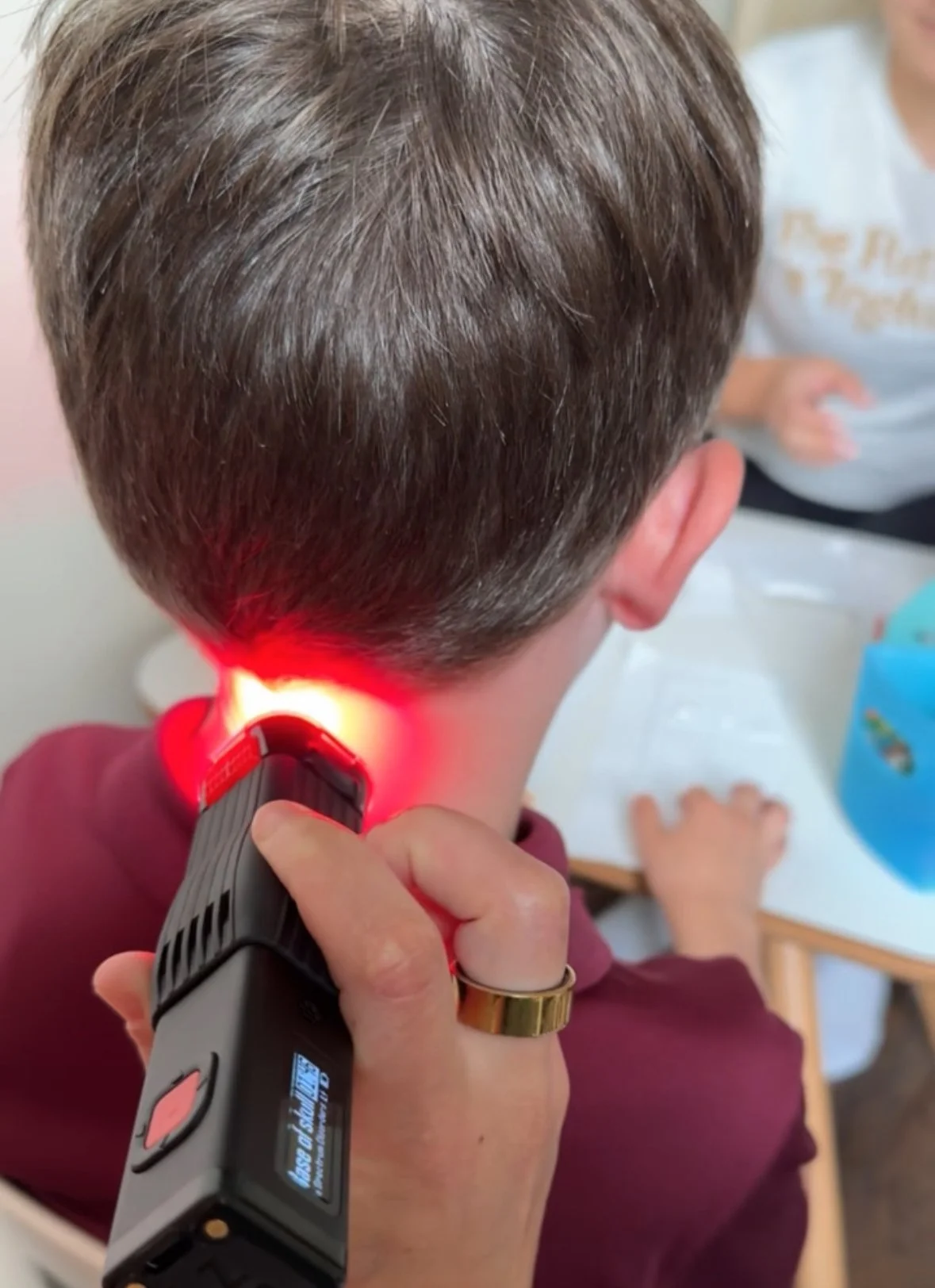
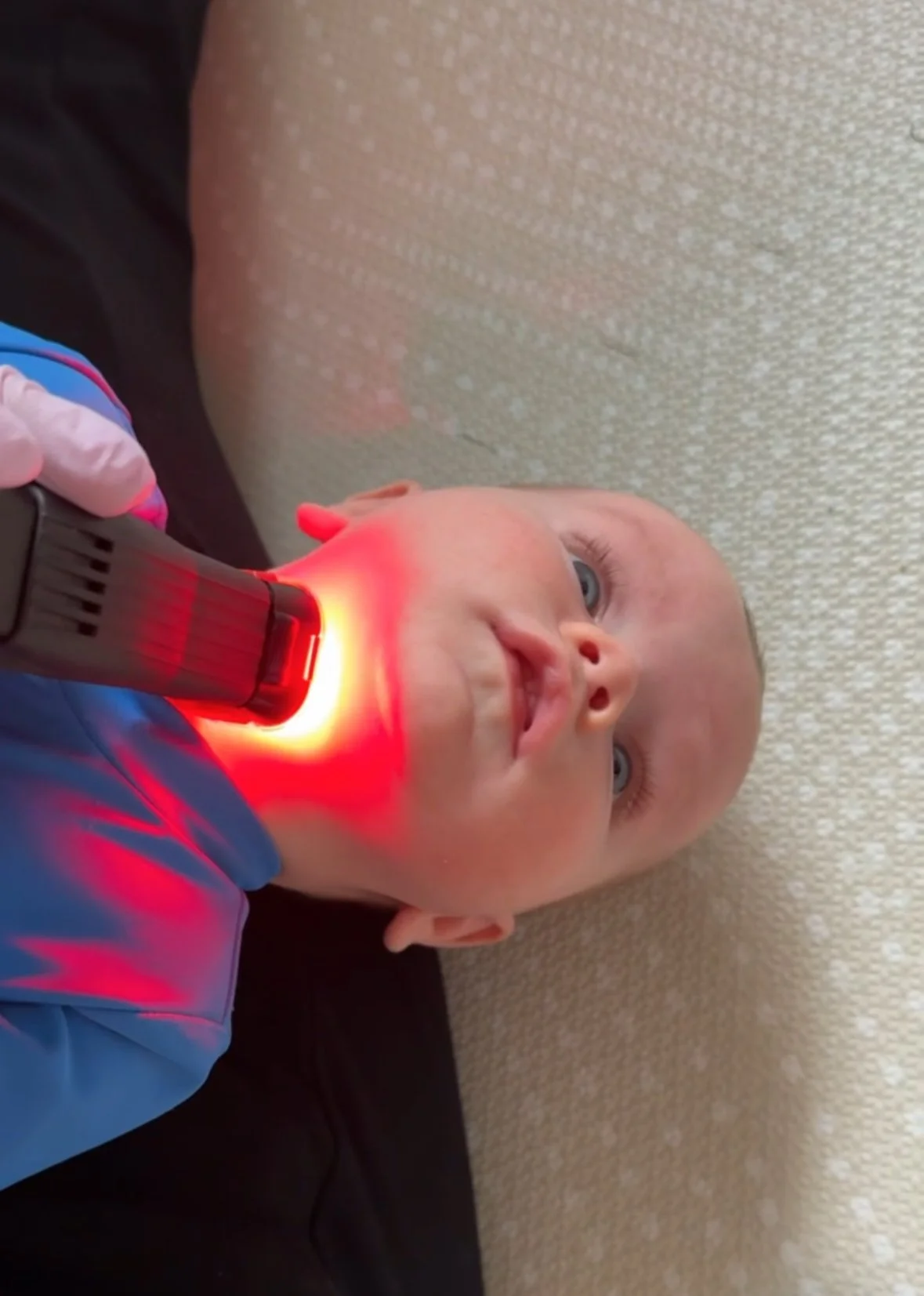
Inside every intensive week: two gentle tools. Our Low Level Laser Therapy / Photobiomodulation (LLLT/PBM) and our ICR mat are a big part of every Neuro.well intensive. We use them alongside hands-on therapy, never instead of it, to help your child’s brain and body feel ready for the work, and both are included in your program fee.
Who we support?

Speech and language delays
Difficulty expressing needs, limited vocabulary, or trouble understanding instructions.
Sensory processing needs
Over- or under-reactivity to sounds, touch, movement, or other everyday sensations.
Feeding concerns
Challenges with picky eating, limited variety, difficulty advancing textures, or stressful mealtimes.
Oral Motor Challenges
Trouble chewing, swallowing, or coordinating tongue and jaw movements needed for safe, efficient eating.
Autism & social communication differences
Challenges with social interaction, play skills, or flexible communication.
Motor planning & coordination challenges
Struggles with balance, sequencing movements, or learning new physical tasks.
Child-centered: Each intensive is tailored to your child’s unique strengths and needs.
Family-focused: We equip caregivers with tools and strategies for home and beyond.
Momentum-building: Daily repetition, play, and connection give each session a chance to build on the last.
Why do families choose us?
What to expect?
Where: Therapy intensives take place in Wyndmoor, PA, conveniently located just outside of Philadelphia.
When: Intensives are available throughout the year, with limited spots to ensure individualized support.
If you’ve already tried weekly therapy, a tongue-tie release, mouth guards, a team of specialists, or every picky eating plan out there, and your child still struggles to settle, follow routines, manage big feelings, or cope with sensory input, an intensive may be a way to look deeper.
Often, what’s missing is support for the sensory and motor foundations that help kids feel safe, organized, and ready to learn, eat, sleep, and connect.
At B.well tots, our occupational therapy–led neuroadaptive intensives go beyond traditional weekly sessions. We focus on sensory integration, persistent primitive reflexes, oral-motor development, and whole-body regulation to help children build stronger foundations for everyday life.
Our program is designed to support progress in feeding, speech, regulation, and sleep, with a home program so the work keeps going after the week ends. We want your child (and you!) to have more of those calmer, easier days.
Not Your Typical Therapy Plan: Concentrated Support, Day After Day
At B.well tots, we know how frustrating it can feel to wait months for small improvements.
That’s why our Neuro.well intensives use a neuroadaptive™ model, giving your child multiple sessions per week over a focused 1–3 week period. Seeing your child day after day helps build momentum that can be harder to keep going with once-a-week visits, and it gives us more chances to support regulation in both body and mind.
What Happens in a Neuro.well Intensive Session
Intensive scheduling is based on individual needs, though standard scheduling is 5 consecutive days, Mon-Fri, 2 consecutive hours per day. This can be done in 1-3 week blocks, and recommendations for ongoing supports are discussed throughout and at the end of the intensive.
Hands-on, intensive occupational therapy — targeting your biggest concerns through sensory integration, primitive reflex integration, therapeutic movement, and purposeful play.
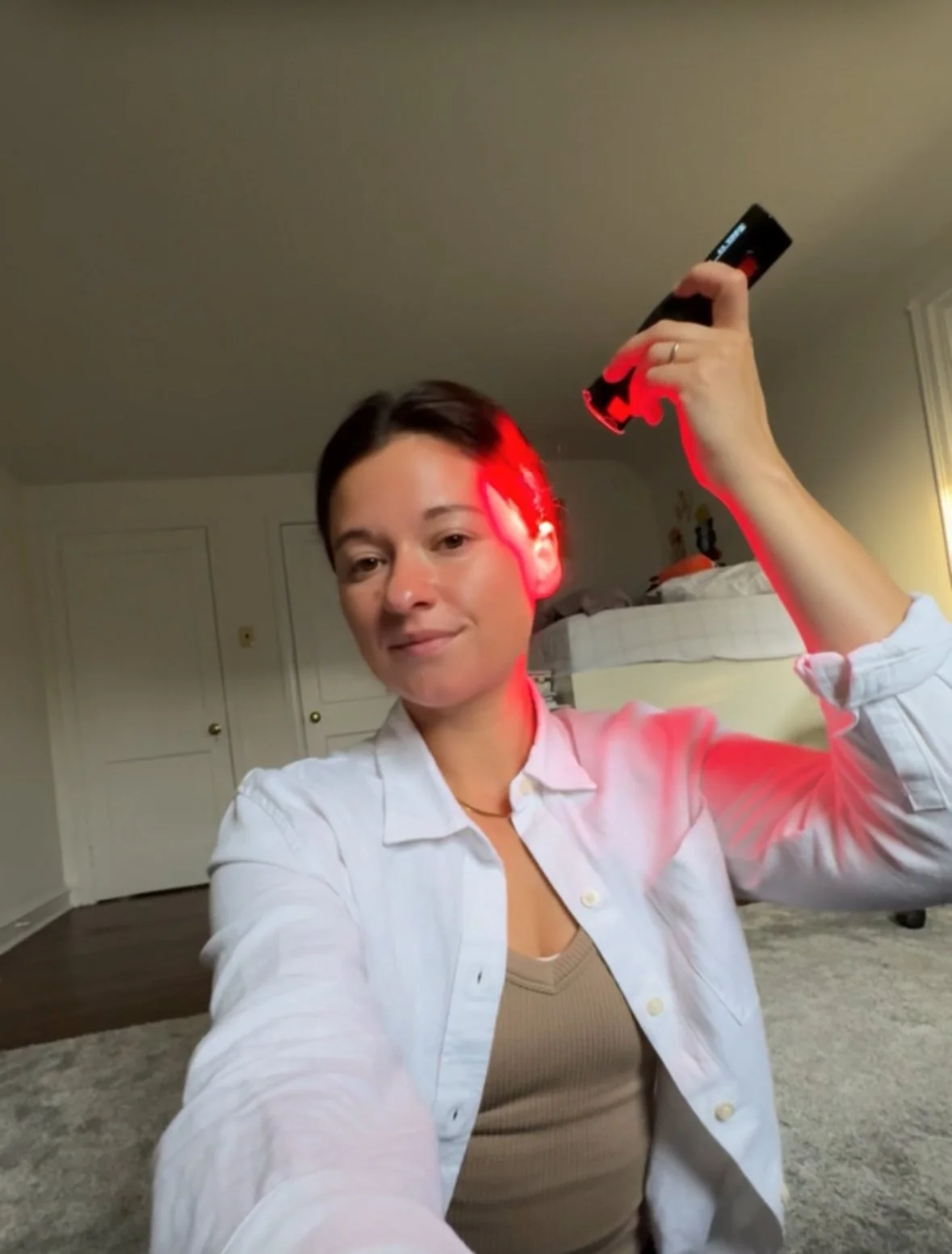
LLLT/PBM: gentle, low-intensity red, near-infrared, and other wavelengths of light. It’s not a surgical laser (no cutting, no heat), and everyone wears eye protection. We use it on areas tied to your child’s goals, like the head, neck, jaw, or the muscles we’re working on. It may help support nervous system regulation, sensory processing, readiness for movement, and oral-motor work for feeding and speech.
The ICR mat (our Regulate & Recharge mat): ICR stands for Ion Cyclotron Resonance. It’s a full-body mat that gives off very low-level, low-frequency electromagnetic signals, a more targeted cousin of a PEMF mat. It’s designed to support the body’s own sense of balance and calm, so we use it to help your child settle, rest, and recover after hard movement work. Regulate first, then challenge! In the U.S., the ICR mat is offered as a general wellness tool, not a medical treatment.
Your child can rest on the ICR mat, or snuggle in your arms, during LLLT/PBM. Both the ICR mat and LLLT/PBM are included in your intensive program fee, with no add-on charge. You can ask questions, ask for a break, or decline either tool at any time.
Parent coaching & practical strategies — empowering you to support progress at home with everyday tools and confidence.
Why Families Choose Our Intensives
Our highly personalized, occupational therapy–led neuroadaptive™ approach is designed to support children as they work toward:
Moving with more control and confidence
Calmer mealtimes and stronger oral-motor skills
Clearer, easier communication
Settling more easily and resting more deeply
Feeling calmer and more regulated day to day
If waiting week to week has felt slow, a focused stretch of daily therapy may be a better rhythm for your family. You’ll leave with a clear home plan and a follow-up call, so the work keeps going after the week ends.
STEP 1
Getting Started
We ask that you complete our comprehensive intake process, so that we can start treatment planning before we even meet you and your child. Once we meet in person, we begin with a warm, thorough evaluation to understand your child’s story, strengths, and needs.
STEP 2
Intensive Therapy Sessions
Two hours of playful, hands-on therapy each day over 1–3 weeks, designed to build momentum, with each day adjusted to how your child responds.
STEP 3
Family Coaching & Support
Parents and caregivers are guided in simple, practical carryover strategies so progress continues at home.
FAQs
-
We work with children with a wide variety of developmental, sensory, and regulation needs, and we always start from your child’s goals rather than a label. Please reach out so we can hear your child’s story and talk through whether an intensive could support them.
Intensives are often a great fit for children who need extra support with speech, language, sensory processing, motor planning, or feeding. During your consultation, we’ll talk through your child’s unique strengths and needs to see if this approach is the best match.
-
Intensive scheduling is based on individual needs, though standard scheduling is 5 consecutive days, Mon-Fri, 2 consecutive hours per day.
This concentrated schedule helps create momentum and maximize your child’s progress.
This can be done in 1-3 week blocks, and recommendations for ongoing supports are discussed throughout and at the end of the intensive.
-
You’ll be an active part of the process! Alongside your child’s therapy sessions, we provide coaching and practical strategies so you feel confident continuing progress at home.
-
We knew you'd ask! Here's a whole page of research behind the approaches and tools we use.
-
B.well tots is an out-of-network provider and this type of therapy is generally not covered by insurance. We do accept FSA/HSA.
-
Our comprehensive intake and evaluation fee is $550.
If treatment is recommended, the 1-week program is $5500.
For some children, a 2-week program may be advised to support the best possible outcomes.
We also offer intensives for babies and toddlers in various capacities based on concern and abilities. These start at $1,950 and are tailored to your child.We individualize all treatment plans to the child and family. If you’re unsure whether your child would tolerate the full schedule, we encourage you to connect with us. We’ll walk you through what the program could include based on your child’s age, needs, and your specific concerns.
-
All sessions take place in our Wyndmoor, PA space, just outside Philadelphia.
-
Yes! Intensives are our preferred way to practice. Seeing your child every day helps build momentum, and you'll leave ready to continue your child's care at home.
-
Chestnut Hill Hotel is the closest hotel to the B.well clinic, and there are some lovely VRBO’s and AirBnB’s locally with varied availability depending on when you are coming.
-
During our video consultation, once we've had a chance to go through your child's history we'll be able to give more specifics about how we can help.
Many families notice early changes during the intensive itself, and every child is different. The effects of the program may keep growing after the week is over, and your home program is a big part of that.
The intensive is designed to kickstart progress, and to empower you to continue care at home. That's why we usually schedule our follow-up call for ~10 days after the intensive, so that we can judge the impact of the full program, troubleshoot the home program, and offer guidance on next steps.
-
Simply book a 30-min discovery call ($1 for new clients). We’ll learn about your child, answer your questions, and design an individualized plan for your family.