Small Signs of Big Development: What to Watch in Everyday Moments
As therapists, we often tell families that development doesn’t usually announce itself with dramatic milestones.
Instead, it shows up quietly—in the in-between moments. A longer pause before a meltdown. A new way of moving through space. A glance toward you during play that wasn’t there before.
These subtle shifts are often signs of nervous system integration—the process by which the brain and body begin working together with greater efficiency, flexibility, and regulation.
Understanding these small signs helps parents move from waiting and worrying to observing with confidence.
What Is Nervous System Integration?
Nervous system integration refers to how well a child’s brain, body, and sensory systems communicate with one another.
When integration is developing smoothly, children can:
Shift between states of alertness and calm
Coordinate movement with intention
Engage socially and emotionally
Learn through play and exploration
Integration is not something that happens all at once. It unfolds gradually through movement, sensory experiences, relationships, and repetition.
This is why development must be viewed holistically—not as isolated skills, but as patterns across daily life.
Why Subtle Signs Matter More Than Big Milestones
Milestones (rolling, walking, talking) are important—but they are outcomes, not the process itself.
As clinicians, we often learn more by watching:
How a child moves, not just if they can
How they recover from stress, not whether they get upset
How they play, not how many toys they use
These patterns often reveal more about nervous system maturity than milestone checklists alone.
Movement: Small Changes That Signal Big Progress
What to Watch For
Smoother transitions between positions
Less stiffness or “locking” in the body
More midline movement (hands coming together, rolling with ease)
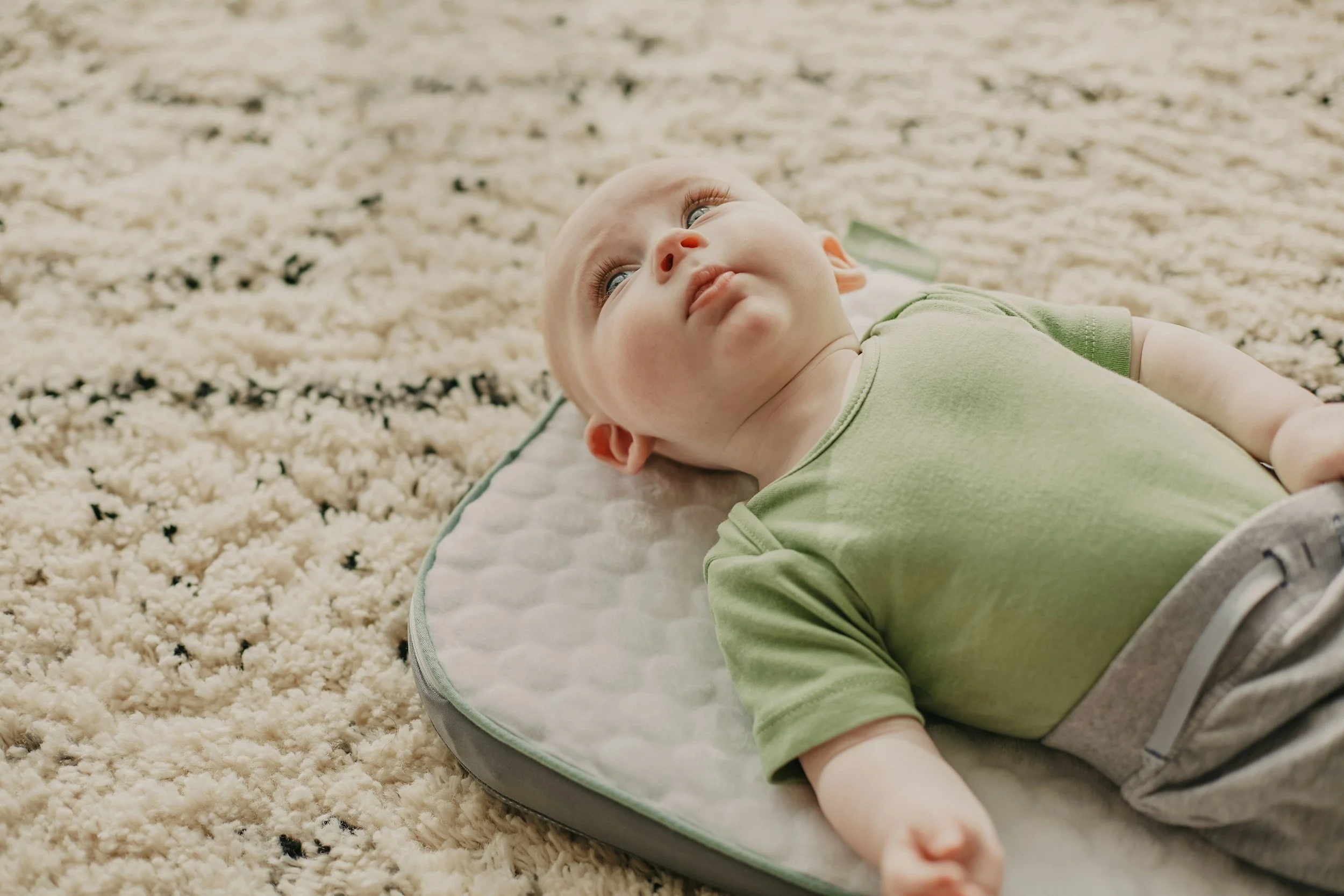
Increased tolerance for floor play
These changes suggest improving body awareness and motor planning.
Understanding why movement is essential for your baby’s brain development helps explain how even subtle movement shifts support attention, regulation, and learning.
A Therapist’s Insight
A child who moves less rigidly is often also becoming more emotionally flexible. The body and nervous system are deeply linked.
Regulation: Signs the Nervous System Is Settling
Regulation doesn’t mean a child never gets upset. It means they can move through states with increasing support and recovery.
Subtle Regulation Wins
Faster calming after frustration
Seeking comfort instead of escalating
Staying engaged slightly longer in play
Less startle or reactivity to sensory input
These shifts often reflect growing parasympathetic (calming) nervous system involvement. This process is explored more deeply in social-emotional regulation across early years: from newborn cues to preschool self-control.

Important Reframe
Big emotions don’t mean regulation isn’t developing. Recovery time is often the most meaningful indicator.
Play: One of the Clearest Windows into Integration
Play is where movement, regulation, sensory processing, and communication meet.
Play Patterns That Signal Integration
Increased variety in play (not just repetition)
Emerging pretend or symbolic play
More back-and-forth interaction
Curiosity replacing avoidance
Play gives us early insight into communication readiness, as discussed in language emergence and early play: how play patterns predict communication growth.
Oral Function & Whole-Body Clues Parents Often Miss
Subtle changes in feeding, chewing, or oral exploration often reflect broader integration.
Signs may include:
Improved tolerance of textures
More efficient feeding
Less gagging or fatigue
Increased vocal play
These shifts connect to posture, breath, and sensory regulation. For deeper context, see whole-body development: how early oral function shapes your child’s growth.
When Small Signs Add Up
No single sign tells the whole story—but patterns over time matter.
Consider additional support if:
Progress feels stalled rather than gradual
Small wins don’t continue to build
Regulation challenges interfere with daily life
Play remains rigid or limited
Feeding, movement, and regulation challenges overlap
This doesn’t mean something is “wrong.” It often means the nervous system needs more support to integrate.
If you’re noticing subtle changes but aren’t sure what they mean:

How Therapists Support Nervous System Integration
Occupational and developmental therapy focuses on:
Supporting regulation before skill demands
Using movement and play to organize the nervous system
Strengthening foundations for learning and communication
Coaching caregivers through everyday strategies
Families exploring next steps can also explore the BWell Tots provider pages to learn about integrated, whole-child care options.
Practical Ways Parents Can Support Integration Daily
You don’t need special equipment—just intention.
Slow Transitions
Pause between activities. Give the nervous system time to shift.
Offer Movement Variety
Floor play, rolling, climbing, carrying—variety builds integration.
Narrate Regulation
“You took a breath.”
“You needed a break.”
This builds awareness without pressure.
Follow Play, Don’t Lead It
When children feel safe, integration follows.
-
It refers to how well the brain, body, and sensory systems work together to support movement, regulation, play, and learning.
-
Look for gradual improvements in movement fluidity, emotional recovery, play engagement, and tolerance for everyday experiences.
-
Yes. Small, consistent changes often signal deeper neurological growth before big milestones appear.
-
Absolutely. Play integrates motor skills, regulation, communication, and cognition—making it one of the clearest indicators of integration.
-
If progress feels stalled, challenges overlap across areas, or daily life feels consistently hard, support can help clarify what’s happening.