When to Seek a Developmental Evaluation: Questions Every Parent Should Ask
Many parents notice small moments that spark quiet concern: Why does my baby always tilt their head this way? Why does feeding feel harder than it should? Why does my toddler melt down so intensely?
Wondering whether to seek a developmental evaluation does not mean something is “wrong.” It means you are paying attention.
Developmental evaluations are not about labels or worst-case scenarios but more about understanding how your child’s nervous system, body, and skills are developing, and whether support could make daily life easier.
This guide walks parents through when to consider an evaluation, the right questions to ask, and how to approach the process with confidence and clarity.
What Is a Developmental Evaluation?
A developmental evaluation is a comprehensive look at how a child is growing across multiple areas, including:
Motor skills (gross and fine)
Feeding and oral motor skills
Sensory processing
Communication
Social-emotional regulation
Play and interaction
Clinically, evaluations focus on patterns, not isolated behaviors. A child may be developing “on schedule” in one area while struggling in another—and that information is valuable.

Development Is Integrated, Not Linear
Children do not develop skills in isolation. Movement, feeding, sensory processing, and emotional regulation are deeply connected. This is why concerns often show up across multiple areas.
Understanding why movement is essential for your baby’s brain development helps explain why delays or challenges often overlap. When the body struggles to organize itself, other skills—like feeding, attention, or regulation—may feel harder too.
Early Signs That May Warrant a Developmental Evaluation
An evaluation may be helpful if you notice patterns such as:
Motor & Movement
Limited head control, rolling, or crawling
Strong preference for one side of the body
Delayed sitting, standing, or walking
Persistent flat spots or asymmetry
(You may want to review guidance on
early positioning and movement in passive prone as a daily exercise for infants)
Feeding & Oral Motor Skills
Ongoing difficulty with latch or bottle feeding
Gagging, coughing, or stress during meals
Trouble transitioning to textures or solids
Prolonged feeding times
Feeding challenges are often developmental, not behavioral. Resources like Lactation: The Ultimate Guide to Confident and Healthy Breastfeeding explain how feeding mechanics connect to posture and regulation.
Sensory Processing & Regulation
Extreme reactions to sound, touch, or movement
Difficulty calming after stress
Frequent meltdowns disproportionate to the situation
Avoidance of textures, clothing, or messy play
Understanding helping kids with sensory-based feeding differences can help parents see how sensory challenges affect far more than mealtimes.
Social-Emotional Regulation
Difficulty connecting or engaging in play
Limited eye contact or shared attention
Intense emotional reactions that persist beyond expected ages
Trouble recovering after distress
Regulation develops through co-regulation and nervous system maturation, not discipline alone.
Key Questions Every Parent Should Ask
“Is this developmentally typical - or persistent?”
Occasional challenges are part of development. A pattern that:
Persists over time
Appears across environments
Interferes with daily routines
may be worth exploring further.
“Is my child compensating?”
Children are excellent compensators. They may appear “fine” while working much harder than expected. Signs of compensation include:
Fatigue during meals or play
Avoidance of certain positions or activities
Rigid routines or emotional shutdowns
Evaluations help identify effort that isn’t always visible.
“Is this causing stress for my child? or for us?”
Developmental support isn’t only for children who are behind. If:
Daily routines feel overwhelming
Feeding or sleep is consistently stressful
You feel unsure how to help
that is enough reason to seek guidance.
**If you’re questioning whether concerns are “big enough,” that uncertainty alone is worth a conversation. Book a free 15-minute virtual consult with BWell Tots to talk through your child’s development with no pressure or commitment.
What a Developmental Evaluation Is (and Is Not)
It IS:
A collaborative, strengths-based process
Focused on understanding how your child learns and moves
A way to guide support, not predict outcomes
It Is NOT:
A diagnosis by default
A judgment of parenting
A permanent label
Early evaluation gives families options, not obligations.

Why Waiting It Out Isn’t Always Neutral
Many parents are told to “wait and see.” While development does unfold over time, research shows that:
Early support often shortens the duration of challenges
Younger nervous systems adapt more easily
Intervention can prevent secondary issues (like feeding stress or emotional dysregulation)
This is especially true when challenges affect feeding, sleep, or regulation. Overlooked factors such as breathing and posture—discussed in promoting airway health and healthy nasal breathing—can quietly influence development.
Who Performs Developmental Evaluations?
Depending on concerns, evaluations may be completed by:
Pediatric occupational therapists (OT)
Physical therapists (PT)
Speech-language pathologists
Developmental specialists
Families unsure where to start often benefit from reviewing holistic pediatric wellness: a guide to trusted providers, which outlines multidisciplinary care options.
**Not sure which type of provider fits your child’s needs? Explore the B.well tots provider pages to learn more about feeding, sensory, motor, and developmental specialists.
What Happens After an Evaluation?
After an evaluation, families may:
Receive reassurance that development is on track
Gain strategies to support growth at home
Decide to pursue therapy or monitoring
Feel clearer and more confident moving forward
Even when no therapy is recommended, parents often report relief from understanding why certain things feel hard.
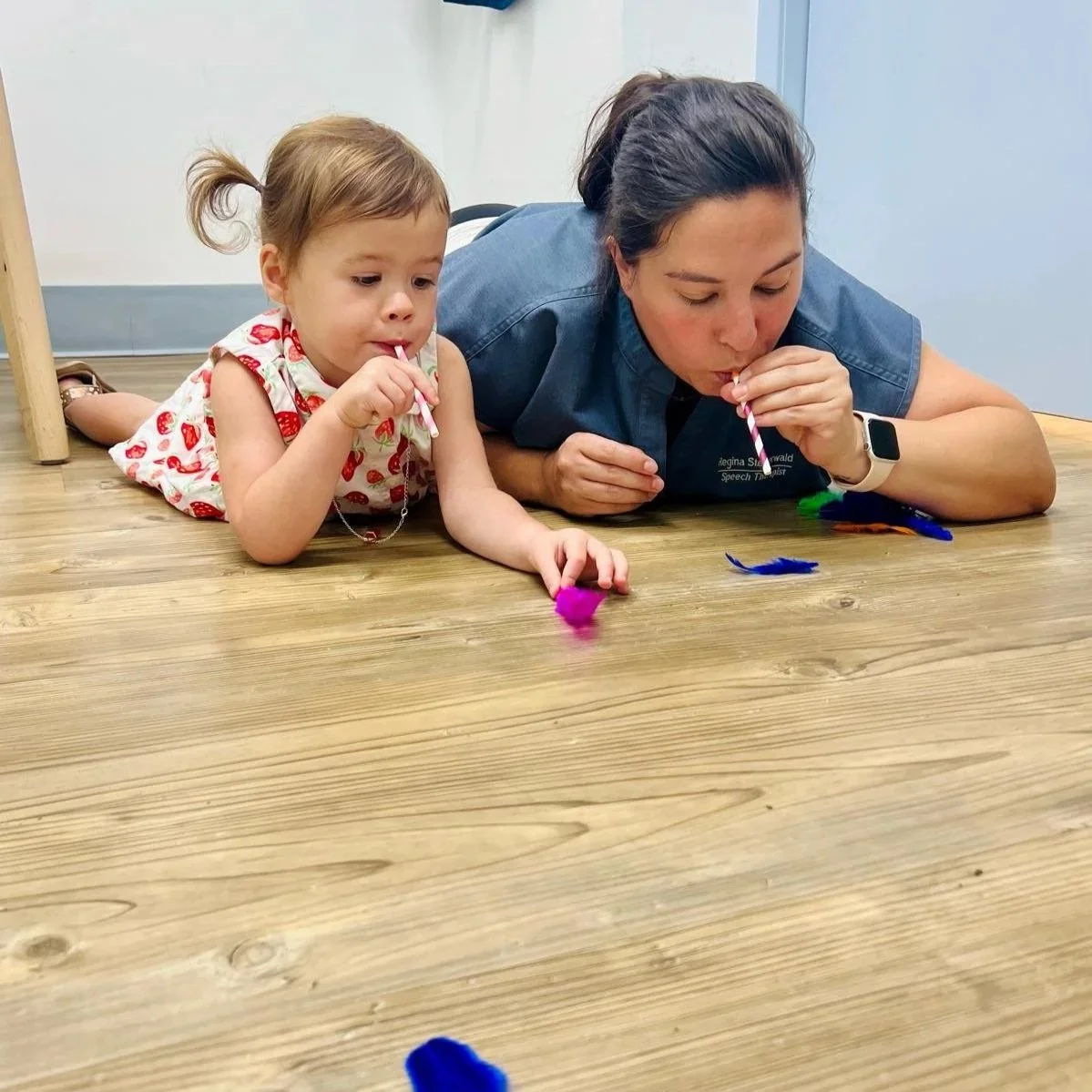
Trust your instincts—with support
Parental intuition is powerful, but it doesn’t have to work alone. Seeking an evaluation doesn’t mean you expect something to be wrong—it means you value understanding.
The most important question isn’t “Is this serious enough?” It’s “Would clarity help us right now?”.
-
When concerns persist, affect daily routines, or cause stress for your child or family, an evaluation can provide clarity and support.
-
No. Evaluations assess skills and patterns. Many children do not receive diagnoses.
-
Yes. Early support often improves outcomes and reduces long-term challenges.
-
You can still seek a second opinion or consultation. Waiting should feel supportive, not dismissive.
-
Many families start with a pediatric therapist or a multidisciplinary consult to determine next steps.
Read more articles from us: