Pacifiers Aren’t the Problem
What we’re getting wrong about newborn brain development
Pacifiers are one of the most controversial baby items in modern parenting.
Some hospitals lock them away like medication. Some professionals warn they will “ruin breastfeeding.” Some parents feel guilty for even considering one.
But here’s the truth:
Pacifiers aren’t the problem.
Misunderstanding how newborn brains develop is.
And yes—it’s wild that hospitals restrict pacifiers to protect their “Baby-Friendly” title, rather than prioritizing a newborn’s nervous system regulation.
This article is not about promoting pacifiers blindly.
It’s about restoring developmental context, neuroscience, and common sense to the conversation—so parents and professionals can make informed, compassionate decisions.
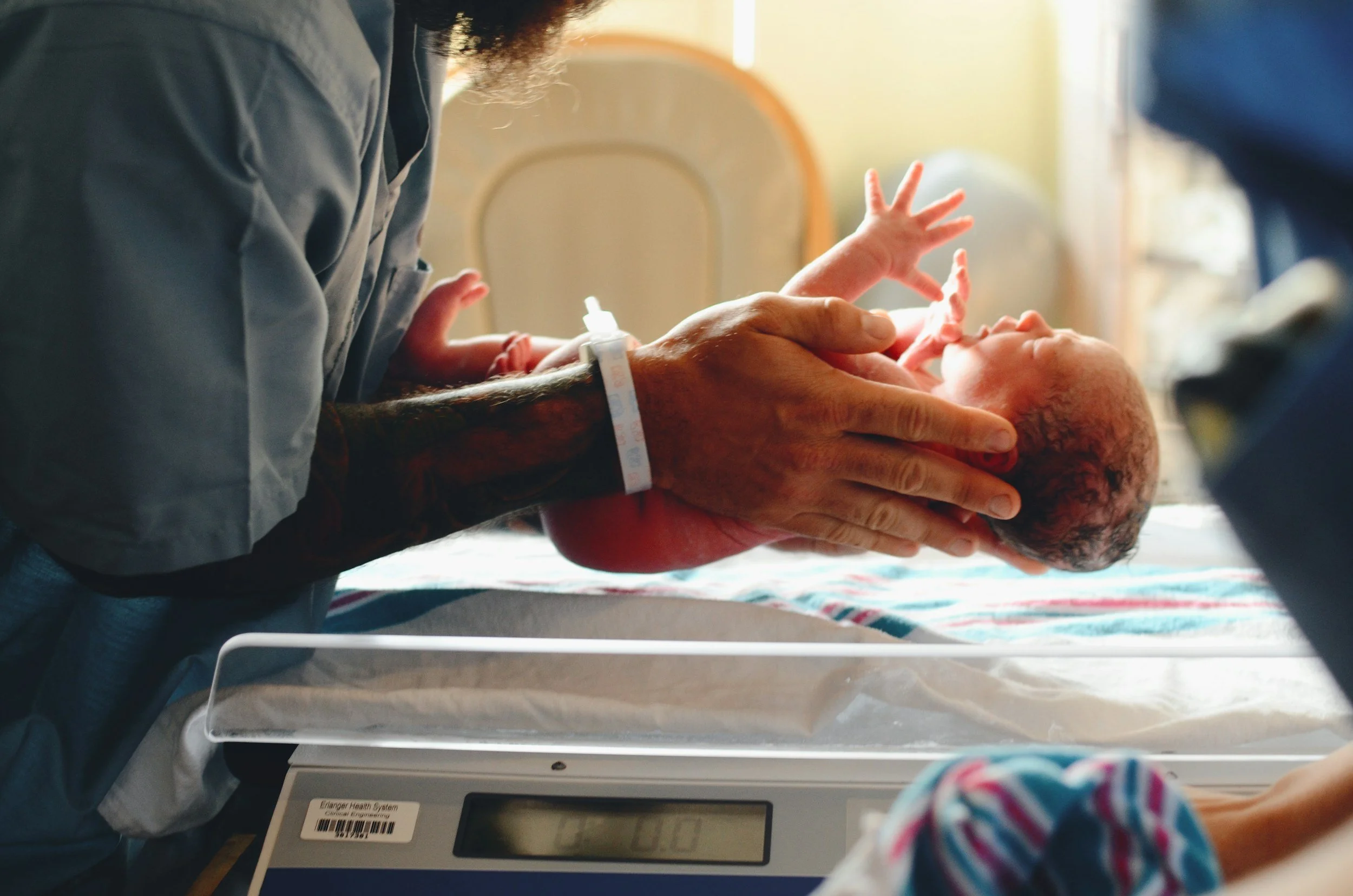
newborn baby in hospital nursery
Why Pacifiers Became the Villain
Pacifiers didn’t suddenly become controversial because of new science. They became controversial because of policy, branding, and oversimplified messaging.
The “Baby-Friendly” Movement Explained
The Baby-Friendly Hospital Initiative (BFHI), launched by WHO and UNICEF, aims to increase breastfeeding rates. While well-intentioned, implementation has often included:
Restricting pacifier use
Removing pacifiers from postpartum units
Presenting pacifiers as harmful by default
Framing pacifier use as “nipple confusion”
Breastfeeding rates did rise—but at a cost rarely discussed.
📊 Statistics that matter:
Up to 80% of newborns show stress cues within the first 48 hours postpartum
Maternal anxiety is highest in the first 72 hours after birth
Exclusive breastfeeding initiatives correlate with increased maternal guilt and feeding stress in some populations
(Source overview: CDC, WHO, AAP summaries)
The problem isn’t breastfeeding promotion.
The problem is ignoring how newborn brains actually work.
How the Newborn Brain Really Develops
Newborns are not mini-adults. They are not even “immature” versions of older babies.
They are neurologically incomplete, and that matters.
Key Facts About Newborn Brain Development
At birth:
The limbic system (emotion and stress center) is active
The cortex (logic, self-regulation) is largely offline
The autonomic nervous system dominates responses
This means newborns:
Cannot self-soothe
Cannot regulate stress independently
Rely on external regulation
External regulation comes from:
Skin-to-skin contact
Rhythmic movement
Feeding
Non-nutritive sucking
Pacifiers fall into that last category.
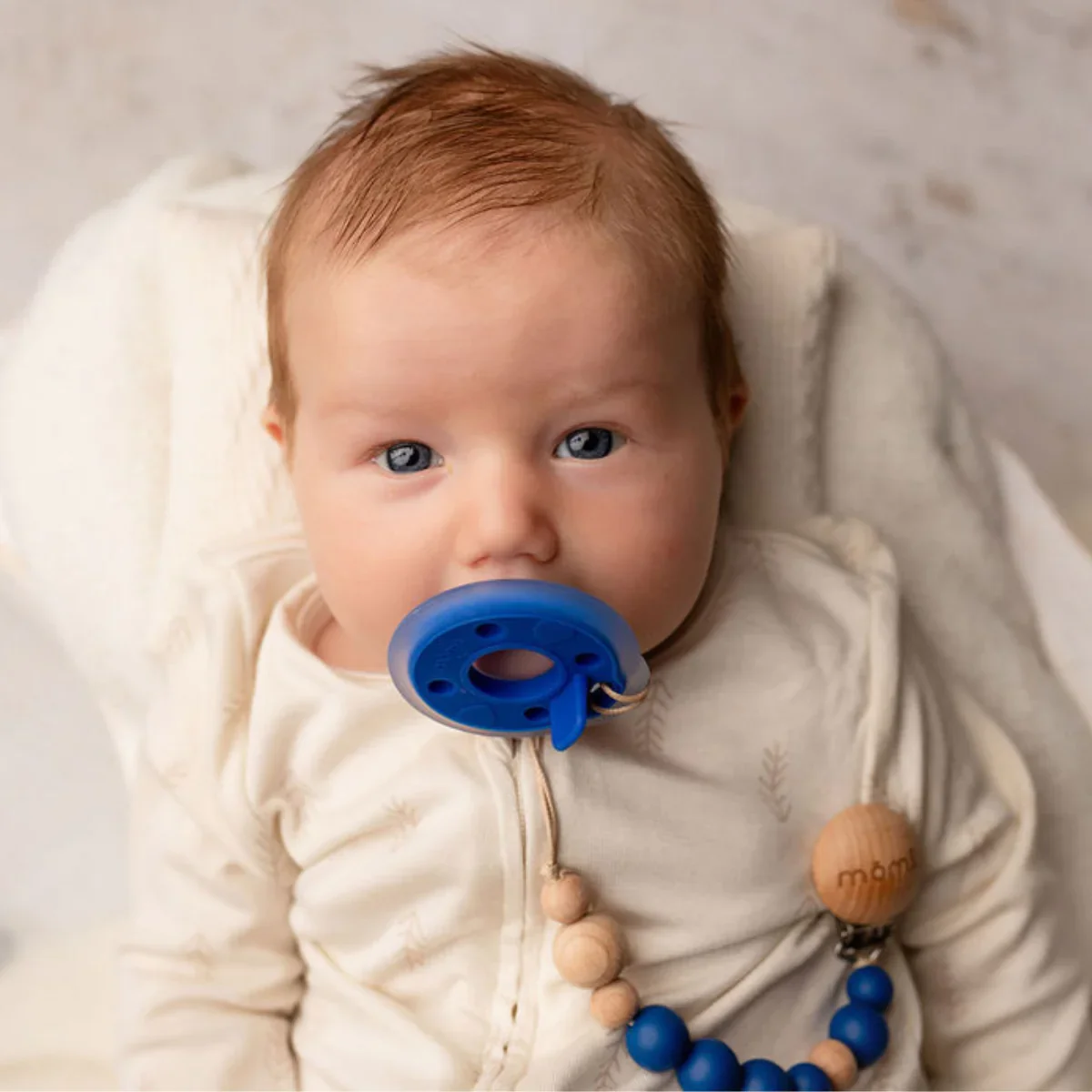
Sucking Is a Neurological Need, Not a Habit
Sucking is not a “bad habit.” It is a biological reflex tied directly to survival and regulation.
Why Sucking Calms the Nervous System
Non-nutritive sucking:
Activates the parasympathetic nervous system
Lowers cortisol (stress hormone)
Stabilizes heart rate
Supports digestion
Improves oxygen saturation
📊 Research highlights:
Preterm infants who use pacifiers show improved weight gain
Non-nutritive sucking reduces procedural pain responses
Pacifier use is associated with a 40–60% reduction in SIDS risk during sleep
(American Academy of Pediatrics)
Sucking doesn’t replace feeding. It supports regulation so feeding can succeed.
The Myth of “Nipple Confusion”
Let’s be clear: true nipple confusion is rare.
What actually happens more often is flow preference, not confusion.
What Babies Are Responding To
Babies respond to:
Speed of milk flow
Effort required
Positioning
Stress levels
Pacifiers do not deliver milk. They do not “teach” babies to feed incorrectly.
📊 Evidence shows:
Pacifier use after breastfeeding is established does not reduce breastfeeding duration
Pacifier restriction does not guarantee breastfeeding success
Stress and hunger interfere with latch more than pacifiers ever have
Blaming pacifiers ignores the real issue: supporting both parent and baby.
Why Stress Undermines Feeding More Than Pacifiers
A dysregulated baby struggles to feed. A stressed parent struggles to respond.
This is basic neuroscience.
What Happens When Babies Are Overstimulated
Signs of nervous system overload:
Crying that escalates instead of resolves
Arching or stiffening
Shallow latch
Pushing away the breast
Rapid breathing
In these moments, sucking—without feeding pressure—can:
Reset the nervous system
Create calm
Prepare the baby to feed effectively
Pacifiers are not a shortcut. They are a regulation tool.
Hospitals, Policies, and the Cost of Optics
Let’s address the uncomfortable part.
Some hospitals restrict pacifiers not because of new evidence—but because BFHI certification requires it.
That means:
Policies protect institutional titles
Parents are sometimes denied calming tools
Babies’ nervous systems are secondary to metrics
This creates a dangerous message:
“If your baby needs help calming, you’re doing something wrong.”
That is not evidence-based care. That is ideology over physiology.

When Pacifiers Can Be Especially Helpful
Pacifiers are not mandatory—but they are appropriate in many situations.
Pacifiers May Support Babies Who:
Are premature or medically fragile
Experience reflux or colic
Are overstimulated easily
Have long gaps between feeds
Are adjusting after a difficult birth
Have parents recovering from birth trauma
Used thoughtfully, pacifiers can reduce stress, not create dependency.
-
All infants depend on regulation. Pacifiers are one of many tools—like rocking or holding. Used as a tool when needed rather than the first go-to option, working it into a toolkit of varied ways to soothe and regulate baby over the first few months.
-
Dental concerns relate to long-term use, not newborns. Ideally, we wean from pacifiers by 6 months old.
-
Pacifiers should never replace responsiveness—but they can support it.
The Bigger Picture: Trusting Biology Again
Babies are born expecting support.
Parents are born deserving trust.
When we shame tools instead of educating systems, everyone loses.
Pacifiers are not the enemy.
Misunderstanding newborn brain development is.
If you’d like deeper reading, the American Academy of Pediatrics offers evidence-based guidance on infant soothing and SIDS prevention:
👉 https://www.aap.org
Read more from us