
Reflex Integration Therapy: What the Research Really Says

If you’ve ever been told your child has “retained primitive reflexes,” you may be wondering what that actually means — and whether reflex integration therapy is evidence-based.
Primitive reflex integration has gained increased attention in pediatric therapy spaces, especially for children experiencing challenges with coordination, attention, handwriting, emotional regulation, or learning. While research in this area is still emerging, there is growing evidence that retained primitive reflexes can be associated with functional difficulties — and that movement-based interventions may help support development.
Let’s break down what primitive reflexes are, why they matter, and what current research says about reflex integration approaches.
What Are Primitive Reflexes?

Primitive reflexes are automatic movement patterns that babies are born with. These reflexes support early development and typically integrate during infancy as the nervous system matures and higher brain centers take over movement control.
Examples you may hear about include:
Moro reflex (startle response)
Asymmetrical Tonic Neck Reflex (ATNR)
Symmetrical Tonic Neck Reflex (STNR)
Tonic Labyrinthine Reflex (TLR)
Palmar grasp
Plantar grasp
Babinski Reflex
Babkin Palmomental Reflex
When reflexes remain active beyond the first year, they may continue to influence posture, movement efficiency, visual-motor skills, attention, and regulation.
What Happens When Reflexes Don’t Integrate?
Retained primitive reflex patterns are not a diagnosis, but they’re a lens some pediatric therapists use when a child is working hard in areas like:
Balance and posture
Coordination and motor planning
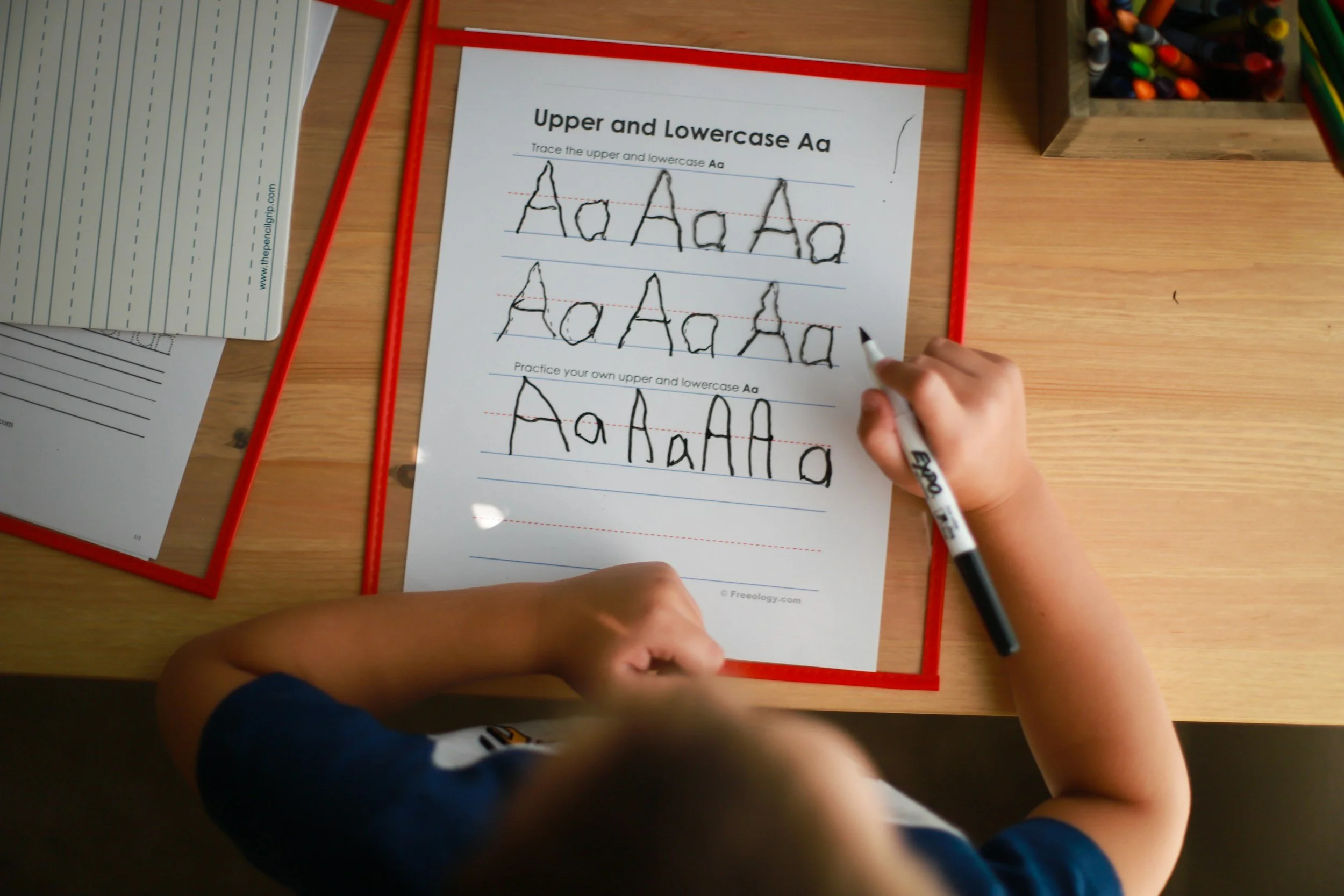
Handwriting and fine motor control
Attention and impulse control
Emotional regulation and stress response
For example, an occupational therapy research abstract published in the American Journal of Occupational Therapy reported an association between retained reflexes and handwriting difficulty in school-age children (see: AJOT abstract here).
What Is Reflex Integration Therapy?
Reflex integration therapy uses specific movement experiences intended to support more mature motor control and regulation. In real life, that might look like:
Rhythmic movement patterns
Cross-body or crawling-based sequences
Balance and coordination tasks
Postural control activities
Reflex-pattern movement “reps” paired with functional skills
In pediatric therapy, reflex-focused movement is typically most helpful when it’s integrated into a comprehensive plan — supporting the foundation while also practicing real-life skills (like handwriting, coordination for play, classroom stamina, self-regulation, etc.).
What Does the Research Say?
The evidence base includes a mix of intervention studies, randomized trials, systematic reviews, and measurement-development research. Here are a few examples frequently referenced in clinical practice:
A 12-week movement program (ASD + ADHD)
A 2025 study in Children examined a 12-week rhythm/balance/coordination program and reported changes in primitive reflex retention alongside motor and behavioral outcomes (read the full article: MDPI – Children (2025)).
A systematic review focused on attention outcomes
A 2024 systematic review evaluated studies where occupational therapy interventions targeting retained reflex patterns were associated with improved attention/self-regulation outcomes, while also noting study-quality limitations (read the PDF: Systematic Review (2024)).
A classic randomized controlled trial (reading outcomes)
A randomized, double-blind controlled trial published in The Lancet investigated a movement program that replicated primary reflex patterns and reported improvements in reading-related outcomes for children with specific reading difficulties (see the abstract: The Lancet trial).
Better tools for measuring reflex patterns
A 2025 paper in Frontiers in Psychology describes the development and validation of a child primitive reflex measurement scale (CPRIMS), supporting progress toward more standardized assessment and tracking (read the full text: Frontiers article).
What the Research Also Makes Clear
It’s important to be transparent: reflex integration is an emerging evidence area. Many studies show promising associations and outcomes, but research quality and consistency varies across programs, age groups, and outcome measures.
A balanced, evidence-informed approach looks like this:
Reflex-focused movement may help some children
Results vary based on the child’s profile, dosage, consistency, and co-occurring factors
Reflex integration is often most effective when paired with functional, goal-based therapy
How Are Retained Reflexes Assessed?
Some clinicians use structured screening methods and rating scales to document reflex patterns. Research is also moving toward improved measurement tools (like CPRIMS) to support clearer identification and progress monitoring (see: CPRIMS validation study).
So, Does Reflex Integration Therapy Work?
Based on current research, reflex-focused movement programs may support improvements in areas like:
Coordination and balance
Postural control
Attention and regulation
Fine motor skills and handwriting (especially when paired with functional practice)
The most effective therapy plans tend to focus on both:
Foundations (movement, regulation, reflex patterns), and
Function (the real-life skills your child needs day to day)
Our Clinical Approach
At B.well, reflex integration is never used in isolation. We always:
Screen for reflex patterns that may be impacting function
Build nervous-system foundations through movement and regulation strategies
Pair reflex-based activities with meaningful, functional goals
Teach families simple home supports for carryover
Our goal isn’t just “integrated reflexes.” It’s improved participation — steadier bodies, smoother coordination, stronger skills, and more confident regulation.
Ready for Next Steps?
If you’re curious whether retained reflex patterns may be influencing your child’s development, we can help you understand what we’re seeing and what it might mean functionally. Reach out today to see if this approach fits your child’s needs.

Keywords: reflex integration therapy, primitive reflexes, retained reflexes, pediatric therapy, occupational therapy, child development, sensory processing, motor coordination, ADHD, ASD, fine motor skills, handwriting, emotional regulation