
Light and Laser Therapy for Children: A Gentle, Science-Backed Approach to Healing & Development
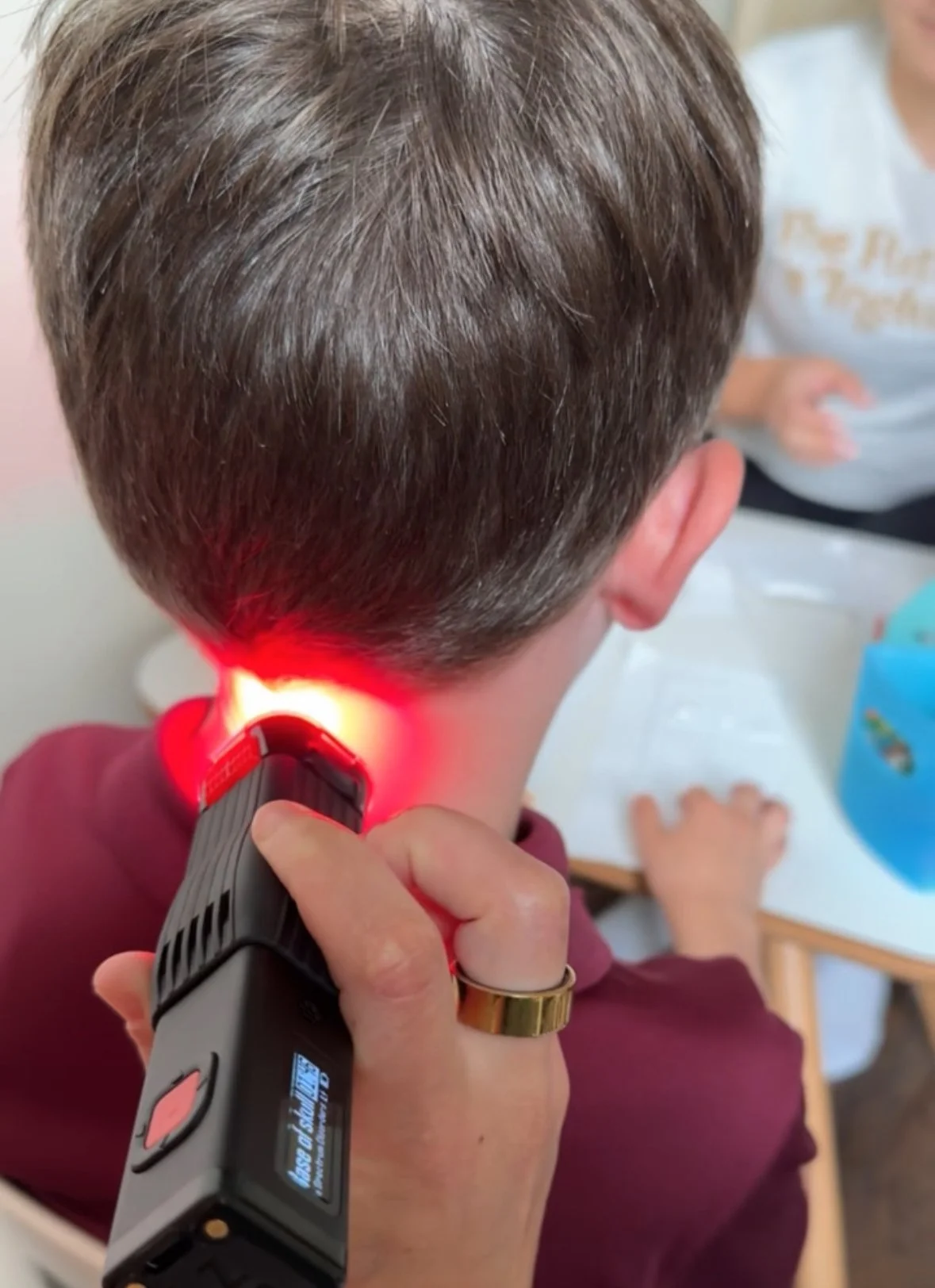
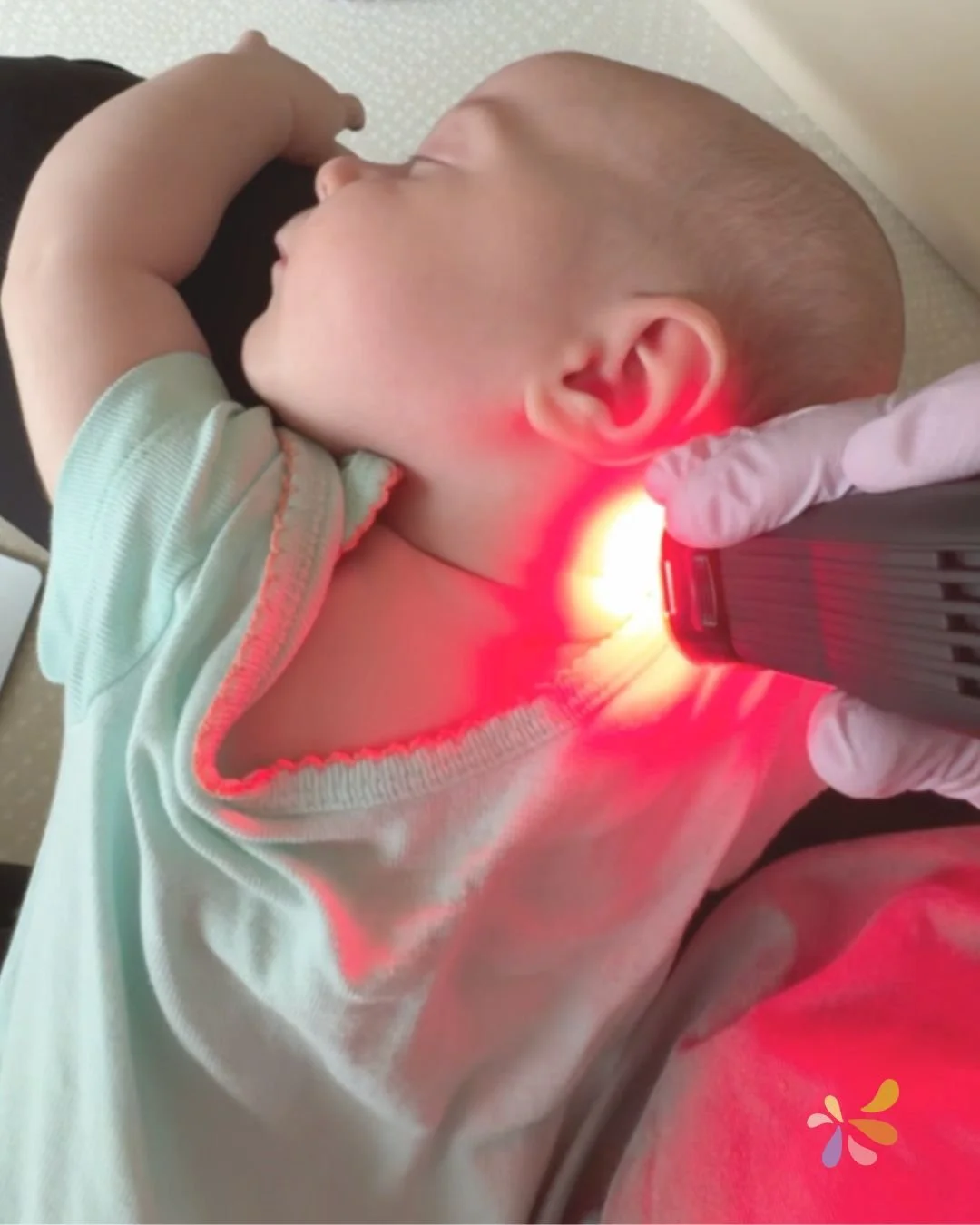
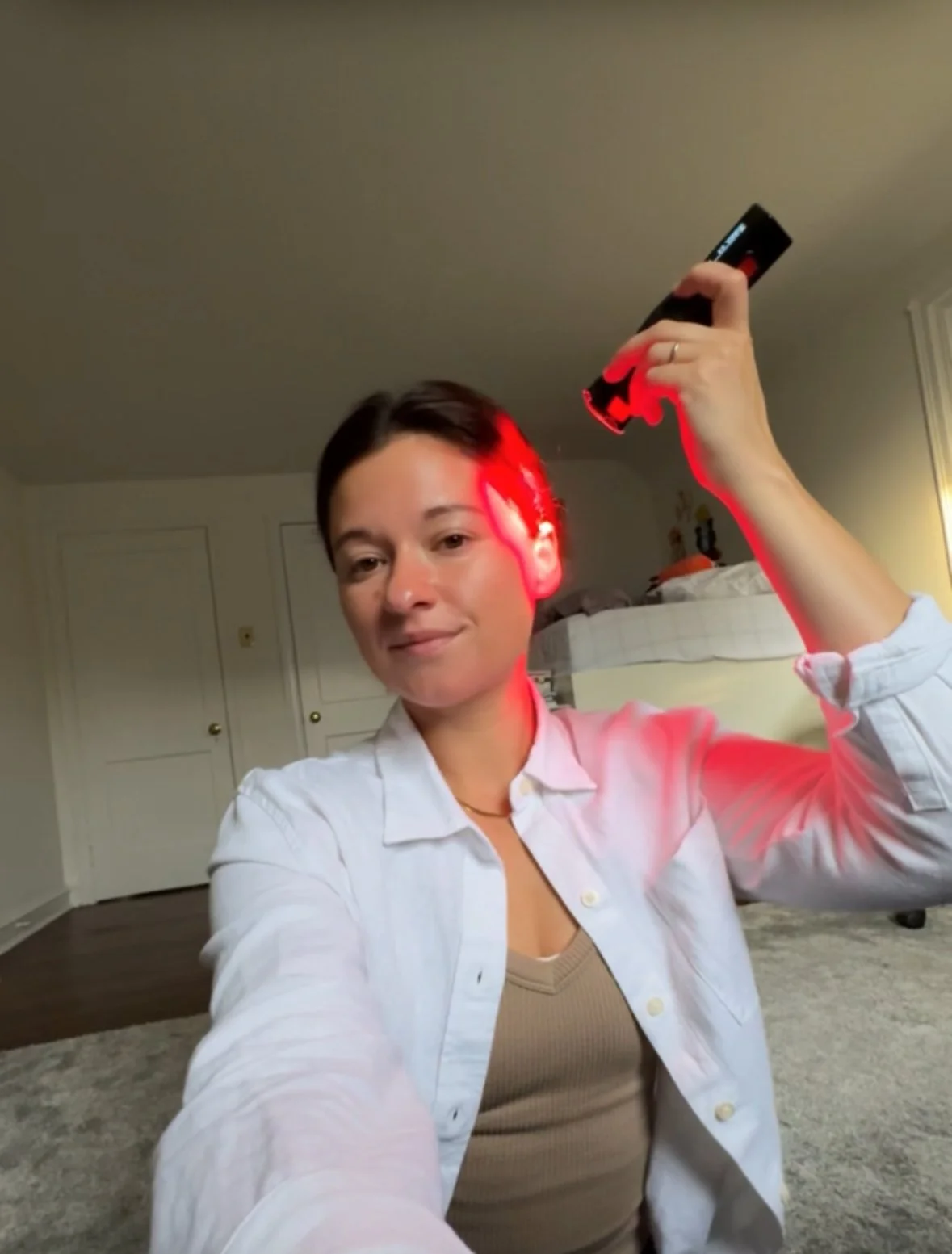
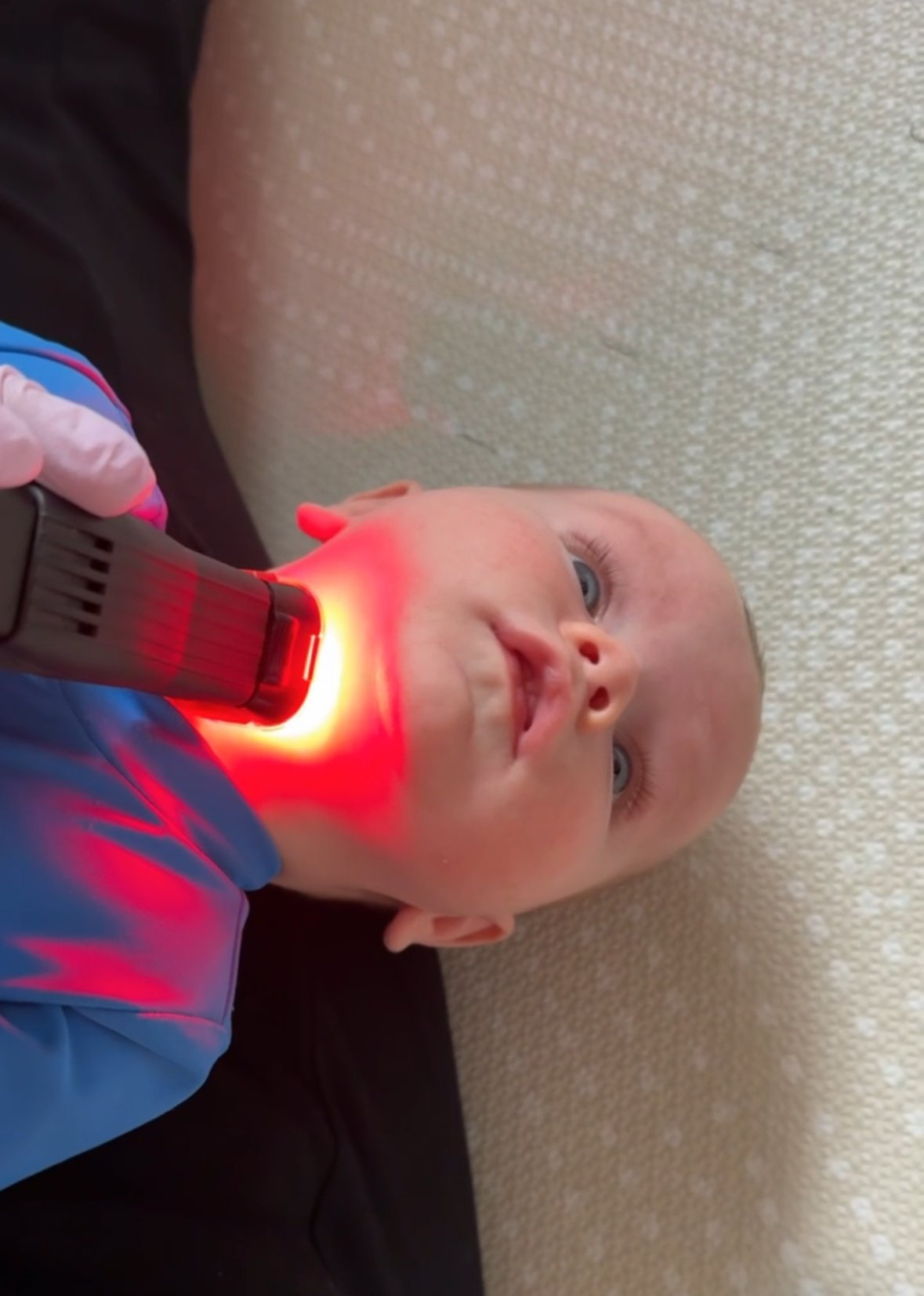
As a parent, you want every tool available to support your child’s growth — especially when it comes to challenges like feeding, speech, motor skills, or emotional regulation. At B.well tots in Philadelphia, we specialize in integrating innovative, evidence-based therapies into pediatric care. One of the most promising tools we use is light therapy, also known as low-level laser therapy (LLLT) or photobiomodulation (PBM).
This safe, non-invasive treatment is transforming the way we help children heal and thrive. Here’s what you need to know about how light therapy works — and why it’s gaining so much attention in pediatric healthcare.
What Is Light Therapy (Photobiomodulation)?
Photobiomodulation (PBM) uses gentle, low-intensity light to stimulate cellular healing and regeneration. Unlike surgical lasers, PBM does not cut, burn, or cause pain. Instead, it boosts circulation, reduces inflammation, and accelerates tissue repair — all while being completely safe for infants and children.
Both light therapy and laser therapy are forms of photobiomodulation — they just use different types of light to achieve similar goals.
💡 Light therapy = broad, gentle, surface-level healing
🔦 Laser therapy = precise, deeper, targeted tissue repair
In many cases, the best outcomes happen when they’re used together as part of a comprehensive plan — pairing gentle whole-tissue support with targeted, deeper interventions.
Because it’s non-invasive and painless, PBM is an excellent complementary treatment alongside traditional therapies such as feeding therapy, speech-language pathology, and physical or occupational therapy.
1. Faster Recovery After Tongue-Tie Release
One of the most common early challenges parents face is feeding difficulties due to tongue-tie. After a frenectomy (tongue-tie release), light therapy can significantly improve recovery. Research shows PBM can:
Reduce pain and swelling after the procedure
Accelerate oral tissue healing
Improve breastfeeding outcomes, including latch and comfort
This means babies often return to successful feeding more quickly and with less discomfort — a huge relief for parents and infants alike.
2. Improved Speech and Feeding Outcomes
Many children receiving speech therapy or feeding therapy face challenges like oral inflammation, tissue tightness, or poor motor coordination. PBM helps address these issues at the cellular level, making therapy more effective. Benefits include:
Reduced oral inflammation
Enhanced healing in soft tissues
Better outcomes for swallowing and speech sound production
As a result, children often make faster progress toward clear speech and confident feeding skills.
3. Supporting Brain Health, Attention, and Emotional Regulation
Emerging research shows that light therapy may also benefit the brain and nervous system. Studies have found that PBM can improve attention, behavior, and emotional regulation — particularly in children with neurodevelopmental conditions such as autism.
By calming inflammation and supporting healthy neural function, PBM may also contribute to better sleep, mood balance, and self-regulation — all key components of a child’s growth and learning.
4. Enhancing Motor Skills and Reducing Muscle Spasticity
For children with motor delays, muscle weakness, or conditions like cerebral palsy, light therapy can enhance traditional physical and occupational therapies. Studies show PBM can:
Reduce spasticity
Improve gross motor skills
Enhance muscle control and coordination
These benefits help children move more confidently, gain independence, and achieve developmental milestones sooner.
5. Reducing Tonsil and Adenoid Inflammation Naturally
Enlarged or inflamed tonsils and adenoids are common in children — often leading to issues like mouth breathing, snoring, sleep disturbances, chronic congestion, and even speech or feeding challenges. While surgery (tonsillectomy or adenoidectomy) is sometimes necessary, many families seek gentler, non-surgical solutions first.
Photobiomodulation is showing exciting potential in this area. Here’s how it helps:
Reduces inflammation and swelling: PBM helps calm inflamed lymphoid tissue, potentially decreasing the size of enlarged tonsils and adenoids over time.
Improves airway function: By reducing tissue volume and supporting lymphatic drainage, light therapy can improve nasal breathing and reduce snoring or sleep-disordered breathing.
Supports better sleep and growth: Better airway function contributes to improved sleep quality — which is vital for cognitive development, emotional regulation, and immune health.
May reduce the need for surgery: In some cases, regular PBM treatments can help manage symptoms without immediate surgical intervention, especially when combined with myofunctional therapy or airway-focused care.
For children struggling with chronic congestion, frequent ear infections, or sleep disturbances related to enlarged tonsils and adenoids, PBM offers a gentle, research-backed option worth exploring.
What Parents Should Know Before Starting Light Therapy
At B.well, we believe in giving parents the information they need to make confident decisions about their child’s care. Here are a few key points to remember:
✅ Safe and gentle: PBM is non-invasive, painless, and well-tolerated — even by newborns.
🔬 Best used as part of a comprehensive plan: Light therapy works best when combined with other interventions like speech, occupational, or physical therapy.
📅 Treatment length varies: Some children benefit from just a few sessions, while others see results from ongoing support over several weeks.
📚 Research is growing: As more studies emerge, the list of potential benefits continues to expand.
Lighting the Way for Brighter Futures
At B.well, our mission is to combine the best of science with compassionate, whole-child care. Light therapy is one of the most exciting advancements in pediatric support — helping children recover faster, regulate better, and reach their fullest potential in a safe and gentle way.
If you’re curious about whether photobiomodulation could help your child, we’re here to guide you. Together, we can build a customized care plan that supports your child’s unique journey — one bright step at a time.
✨ Ready to explore how light therapy can support your child’s development? Ready to come to Philadelphia?Contact us today to learn more or schedule a consultation!