
Nose or Mouth? What Your Baby's and Toddler's Breathing Is Telling You
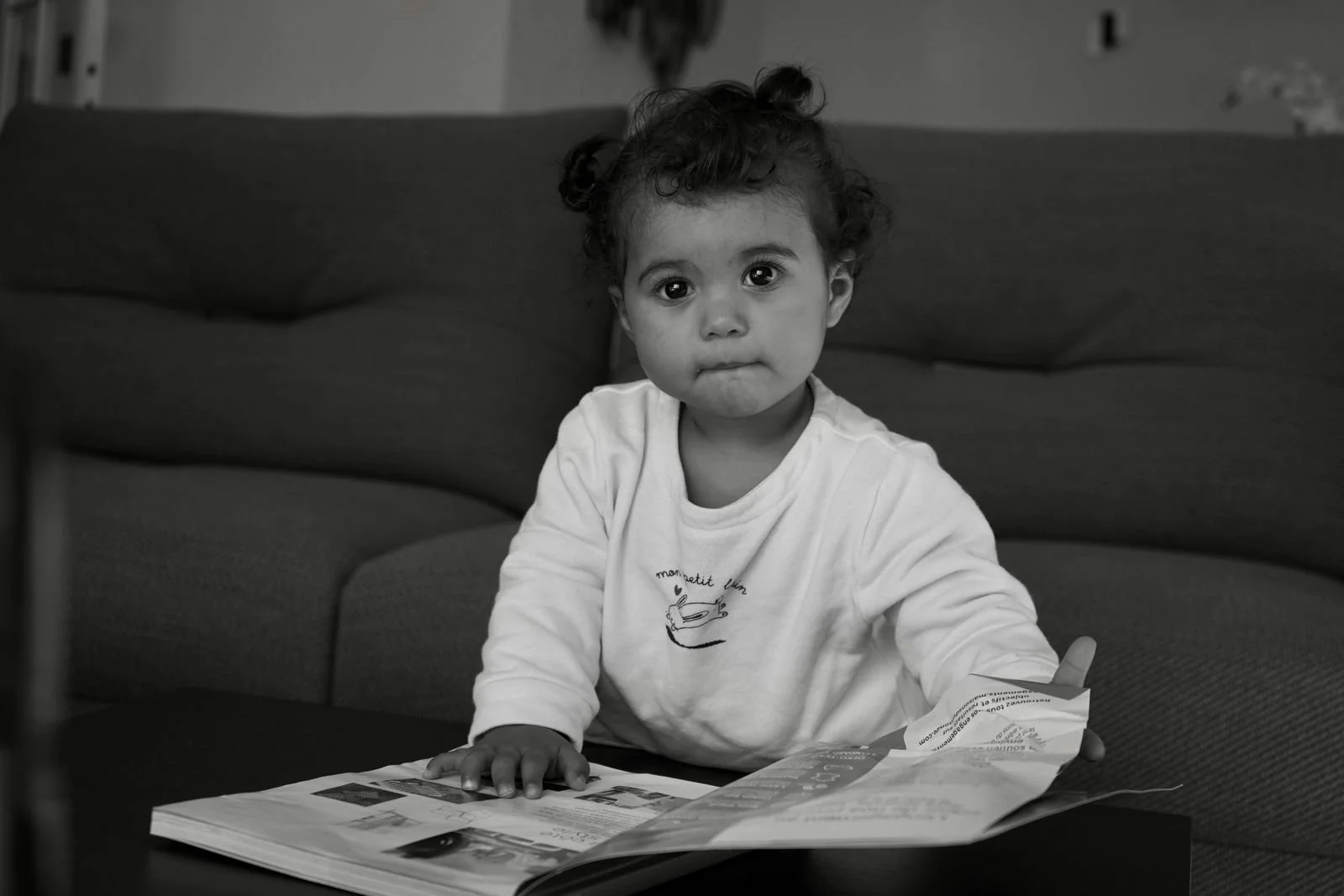
It's 4:30 on a Tuesday, the dinner pot is on, and your toddler is parked in front of a show. You glance over and notice it again: lips apart, jaw a little slack, tongue resting low in the mouth, breathing softly through that open mouth. They're not sick and they're not upset, they're just zoned in. Is that just how they relax, or is it something to pay attention to?
Have you ever wondered whether it matters if your little one breathes through their nose or their mouth? It's one of the questions we hear most often here at B.well tots, and honestly, I love that more families are noticing it. Last week in What Does "Airway" Mean for Babies and Kids? we started with the big picture. This week, in Week 2 of Breathe, Grow, B.well, we're zooming in on nose versus mouth, without the scary stuff.
Why We Love Nose Breathing
The nose is built for breathing. It warms, filters, and moistens air on the way in, and nose breathing goes hand in hand with what we call oral rest posture: how the lips, tongue, and jaw sit when your child isn't eating or talking. The resting posture we like to see is simple: lips gently closed, tongue resting up against the roof of the mouth, and breathing quietly through the nose.
That tongue-up resting spot is a big part of how we think about the face and palate as they grow, which we've written about in Promoting Airway Health & Healthy Nasal Breathing. Babies are wired to breathe through their nose, which is part of what lets them feed and breathe in rhythm. As they grow into toddlers, the goal is for that nose-first pattern to stick around during play, quiet time, and sleep.

Everyday Reasons Little Ones Breathe Through the Mouth
Mouth breathing isn't a diagnosis, and it doesn't automatically mean something is wrong. Some of the most common reasons we see are pretty ordinary:
A stuffy nose. Colds, dry winter air, and allergy season can all push little ones to breathe through the mouth for a while. That's the body doing its job.
Habit. Sometimes the mouth stays open long after the cold is gone, simply because it became the easy default.
Low oral tone. Some kids have softer muscle tone in the lips, cheeks, and jaw, so holding the lips closed takes more effort than it looks.
Tongue mobility. If the tongue can't easily lift and rest on the palate, it tends to sit low, and the mouth often follows. We explain why that resting spot matters in How Your Baby's Tongue Shapes the Face, Airway, and Nervous System.
Body posture. Head, neck, and trunk position all play a part. A forward head or a slumped sitting position can make an open mouth more likely.
Often it's a mix of a few of these, which is why we look at the whole child instead of just the mouth.
Signs Worth a Closer Look
One open-mouth afternoon during a cold is just little-kid life. What we pay attention to is the pattern over weeks. These are worth having someone look at (no panic needed):
Lips apart most of the day, including during calm play, books, or shows, when your child isn't congested.
Drooling that seems to hang on longer than you'd expect, or that picks back up after it had settled.
Noisy breathing when your child is calm, not just during a cold.
Mouth-open sleep most nights, or snoring you've noticed more than once.
Feeding clues in babies, like clicking, slipping off the breast or bottle, or feeds that leave everyone exhausted.
And while this series focuses on babies through preschoolers, older kids show these patterns too. If your school-age child tends to breathe through their mouth, our post on Myofunctional Therapy for Kids & Teens is a good next read.
Noticing lips apart more often than not?
Gentle Ways to Support Nose Breathing at Home
Back to that toddler on the couch. You don't need to correct them every five minutes (please don't, it turns into a battle fast!). A few small, playful habits go a long way:
Keep the nose clear. During cold season, a little saline, a humidifier, and gentle nose care can make nose breathing easier. A nose that's blocked can't do its job.
Calm, curious check-ins. Every so often, try a playful "lips together, tongue up!" or a quick "where's your tongue sleeping?" game. Keep it light and skip the nagging.
Lip-strength play. For older toddlers, try blowing bubbles, blowing a cotton ball across the table, making silly faces in the mirror, and drinking from a straw or open cup. These build lip and cheek strength through play.
Chewy foods when your child is ready. Chewing is a workout for the jaw and tongue, so offer age-appropriate foods with some texture instead of only soft foods.
Watch posture during screen time and meals. Feet supported, back upright, and the screen at eye level help the head and jaw sit where they should.
Tried the home tips and still wondering?
How We Look at Breathing Here at B.well
Here at B.well tots, breathing is part of every assessment, right alongside feeding, sleeping, and moving. Our speech therapists and pediatric occupational therapists look at oral rest posture through play: how the lips, tongue, and jaw sit at rest, how your child chews and drinks, and how their head, neck, and trunk support it all. For babies, there's lots of lactation support on the team too, so feeding and breathing get looked at together. Craniosacral and bodywork can be part of the plan when tension seems to be part of the picture.
We offer daytime sessions for babies and toddlers at our Fishtown, Fairmount, and Wyndmoor offices, and nannies and caregivers are always welcome to bring your little one.
And that toddler on the couch? For a lot of families, the first steps are a clearer nose, a few silly lip games, and a grown-up who noticed. Want a second set of eyes? Book a 15-minute virtual consult at bwelltots.com/consult. We'd love to meet you and your little one! Next up in Breathe, Grow, B.well: where your baby's tongue rests, and what tongue posture and TOTs have to do with the airway.
This post is for educational purposes and isn't a substitute for individualized medical advice.