Building Strong Foundations: Supporting Early Transitions into Sitting (for new parents)
Understanding the Importance of Transitional Movements in Early Motor Development
For new parents, one of the most exciting parts of babyhood is watching each tiny movement evolve into something new — from rolling, reaching, and pushing up to sitting proudly on their own. These moments are more than milestones; they’re the building blocks of your child’s motor development.
Transitional movements — like rolling onto the side or pushing up into sitting — are essential for building the coordination, balance, and muscle control babies need to move independently. These small, guided moments help your little one learn how their body works and give them confidence to explore the world around them.
What Are Transitional Movements?
Transitional movements are those in-between motions that help babies shift from one position to another — from lying on their back to their side, from their tummy to sitting, or from sitting to crawling.
Each transition helps:
Strengthen the core and shoulder muscles
Build body awareness and balance
Teach problem-solving and spatial understanding
Encouraging these natural transitions, instead of placing your baby directly into sitting, helps them gain muscle control and coordination at their own pace.
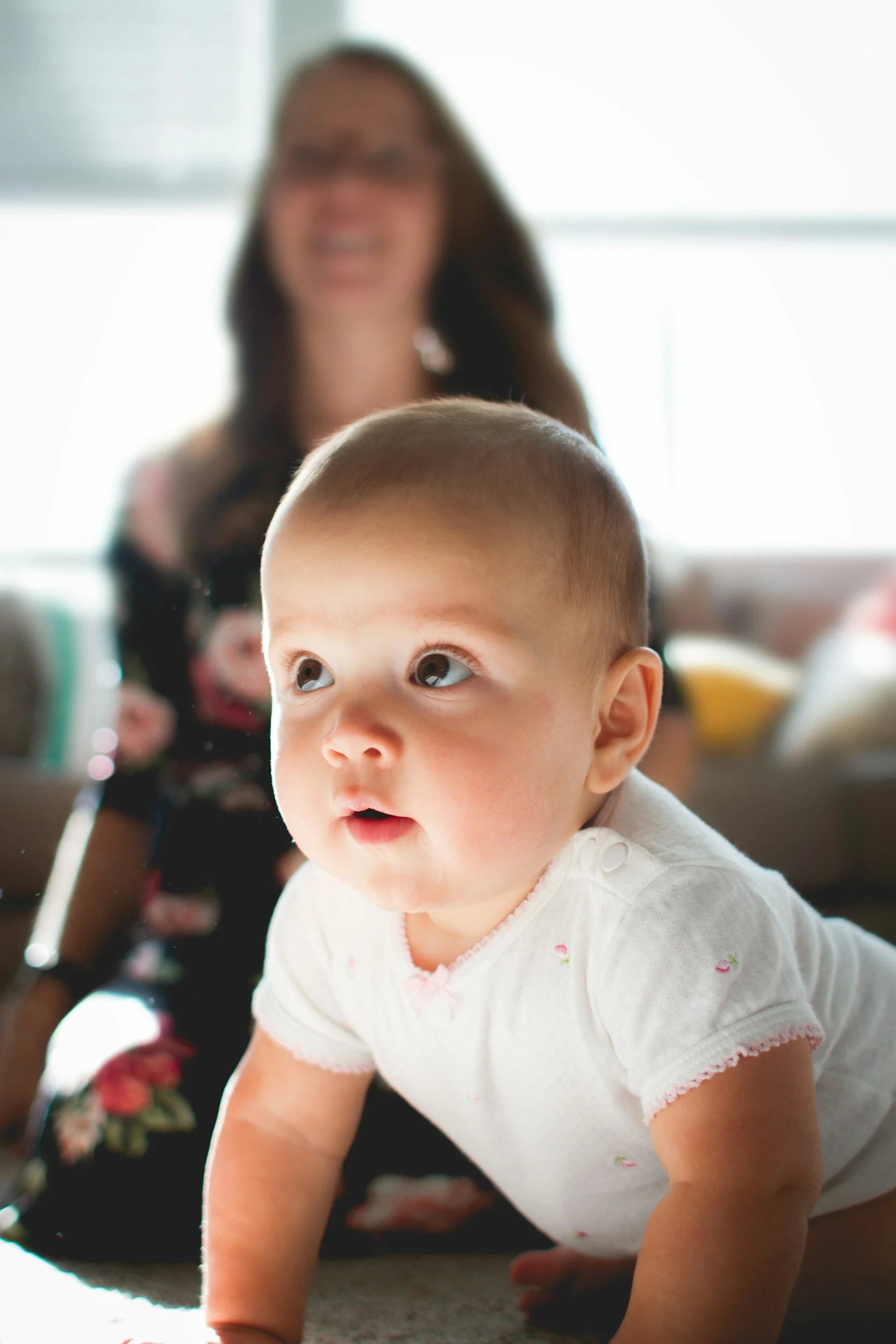
Why Early Sitting Transitions Matter for Babies
Supporting early transitions into sitting teaches babies how to move with purpose and control. Rather than being placed into a sitting position, they learn how to get there themselves — which promotes:
Muscle strength: building endurance in the arms, core, and back
Coordination: syncing movement between upper and lower body
Confidence: understanding “I can do this on my own!”
For new parents, learning to guide these transitions safely can transform everyday playtime into powerful learning moments.
The Role of Core Strength, Coordination, and Balance
How Core Strength Supports Independent Sitting
A baby’s core muscles — those in the abdomen, back, and hips — act as the foundation for nearly every movement. When a baby transitions into sitting, their core stabilizes their body while their arms push and legs adjust for balance.
Encouraging gentle rolling, side-lying, and supported sitting strengthens these muscles naturally.
Developing Body Awareness Through Guided Movement
Each guided transition teaches your baby where their body is in space and how to control it. This body awareness, known as proprioception, lays the groundwork for crawling, standing, and eventually walking.
When you support transitions rather than place your baby in fixed positions, you’re helping them learn movement through discovery — not restriction.
Common Mistakes to Avoid When Supporting Sitting Transitions
Over-Assisting: Too much help can limit learning. Give light support only when needed.
Skipping Steps: Avoid jumping from lying to sitting positions too early. Transitional movements build the muscle control required for sitting safely.
Extended Sitting Devices: Limit time in baby seats or loungers; they don’t build the same core strength as active play.
Encouraging Independence and Confidence
Babies learn through repetition. It’s important to give them chances to try, even if movements look unsteady at first.
Look for readiness signs such as:
Holding their head up easily
Rolling in both directions
Showing curiosity about movement
Letting babies attempt movements on their own (with supervision) helps them develop coordination and self-confidence.
Playtime Activities That Encourage Sitting Transitions

Tummy Time and Reaching Games
Regular tummy time builds arm and neck strength. Encourage reaching for toys just out of grasp to promote rolling and pivoting — early building blocks for sitting.
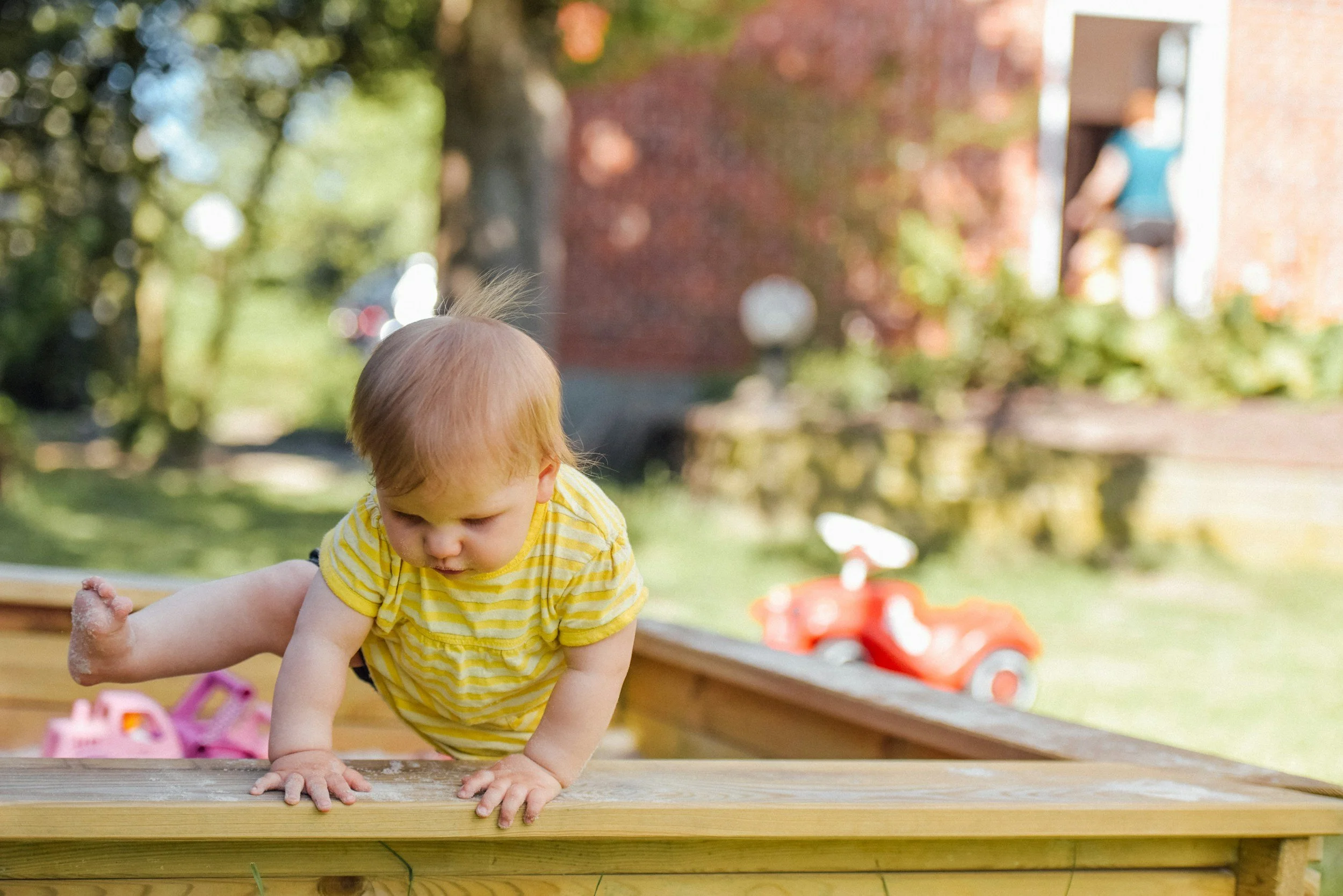
Using Everyday Play for Core Development
Simple routines like diaper changes, peek-a-boo, or floor play can include rolling and side-lying, turning every interaction into developmental practice.
When to Get Professional Support
If your baby hasn’t shown interest in rolling or sitting by about 7–8 months, or if you notice stiffness or unusual limpness, reach out to your pediatrician. They may refer you to a Philadelphia pediatric physical therapist for evaluation.
Therapists can assess movement patterns and demonstrate safe ways to encourage progress. Early support helps babies strengthen weak muscles and build coordination at a comfortable pace.
-
Most babies begin exploring side-lying and rolling around 4–6 months, making it a good time to start gentle transitions.
-
A few minutes several times daily is perfect. Keep it playful and pressure-free.
-
Use them sparingly — active movement is much better for muscle development.
-
Try doing it on your chest or use a soft mirror to keep them engaged.
-
When they can lift their chest easily during tummy time, they’re ready to start exploring!
-
While every baby develops differently, early guided movement supports coordination and strength — essential for later milestones.